Night Safari: Discovering Serengeti After Dark
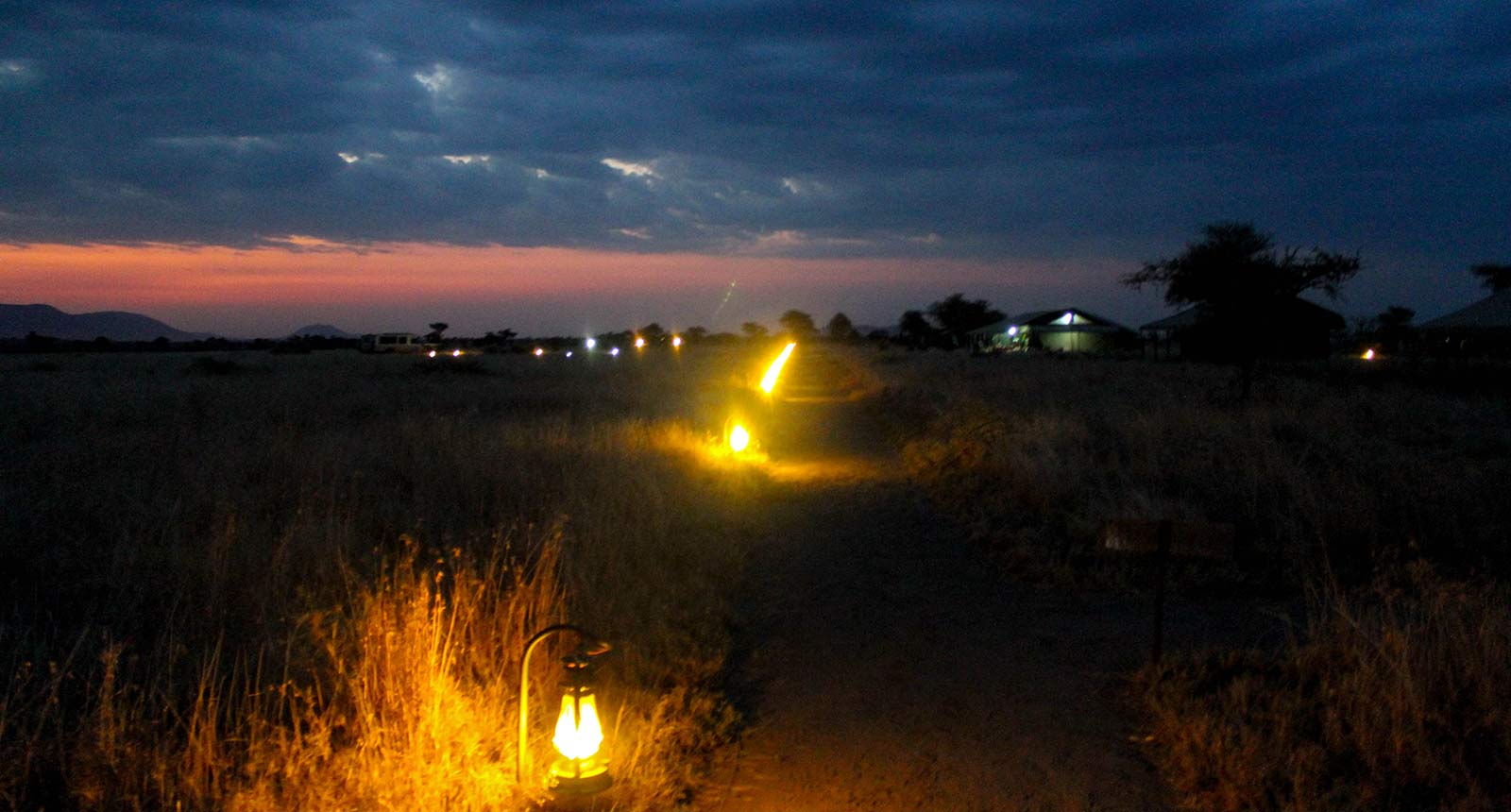
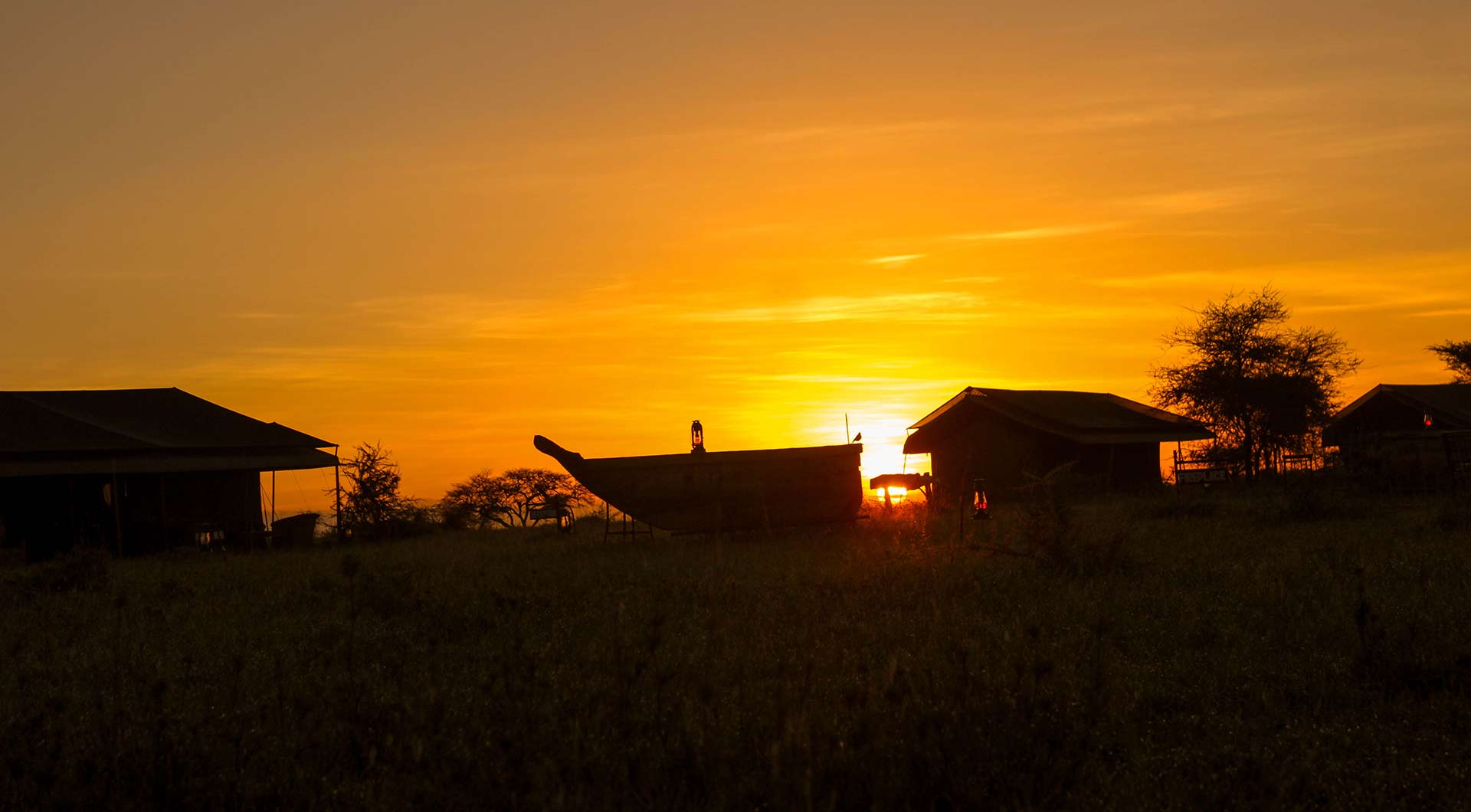
When the sun drops below the western horizon and the sky shifts from gold to deep indigo, a different Serengeti emerges. The diurnal world of zebra, wildebeest, and gazelle retreats into nervous alertness, and a cast of nocturnal characters takes the stage. For many safari guests, the nights spent in the bush are among the most memorable and thrilling aspects of their journey — a time when the raw wildness of Africa is felt most intensely.
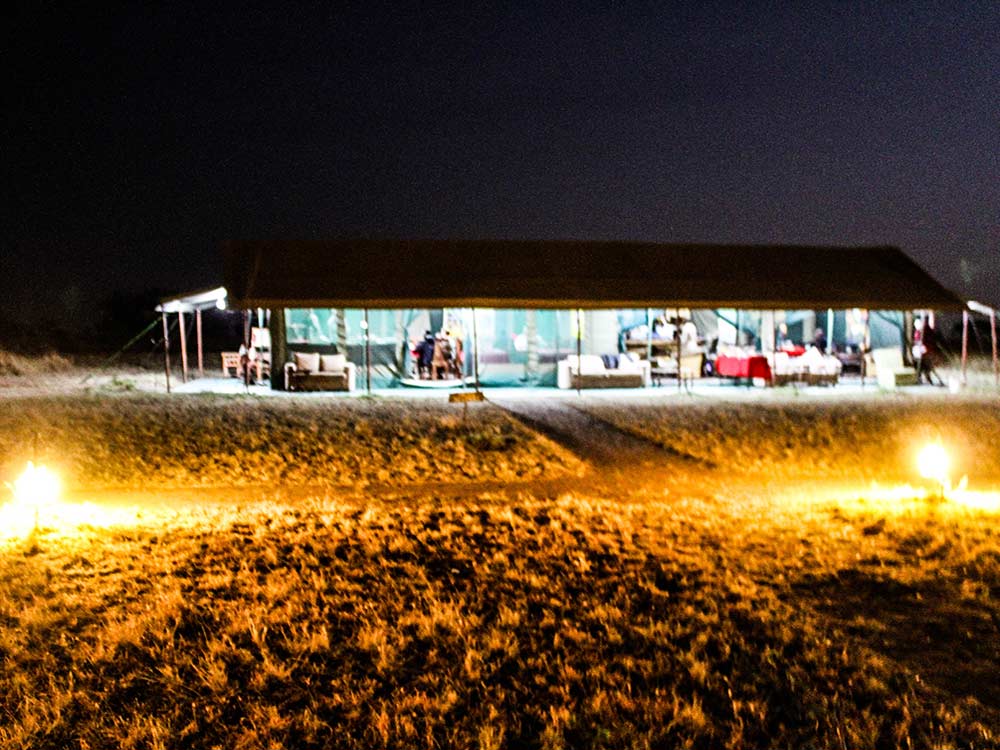
While night game drives within Serengeti National Park itself are restricted by park regulations, the hours between sunset and dawn offer a remarkably rich experience from camp. The sounds, the skies, and the occasional close encounters with nocturnal wildlife combine to create an atmosphere that is impossible to replicate anywhere else on Earth.
Nocturnal Predators
Many of the Serengeti's most formidable predators are primarily nocturnal, conducting the bulk of their hunting under the cover of darkness. Understanding their behaviour adds a layer of appreciation to the sounds you hear from your tent at night.
Lions: While lions are frequently seen resting during the day, they do most of their hunting at night. The cooler temperatures suit their powerful but short-range hunting style, and the darkness gives them an advantage over their prey. The roar of a lion at night is one of the most awe-inspiring sounds in nature — a deep, resonant bellow that can carry for eight kilometres across the open plains. Hearing a lion roar from your tent, close enough to feel the vibration in your chest, is an experience that leaves a permanent mark on the memory.
Leopards: Supremely adapted to nocturnal life, leopards conduct almost all of their hunting in darkness. Their exceptional night vision, silent stalking ability, and powerful build make them devastatingly effective nighttime hunters. Leopards are occasionally spotted near camp at night, their eyes reflecting torchlight with an eerie green glow.
Spotted Hyenas: Far from the scavenging stereotype, spotted hyenas are intelligent, social, and formidable hunters. Hyena clans coordinate their hunting in the dark, targeting wildebeest, zebra, and even young buffalo. Their haunting whooping calls, rising and falling across the plains, are the signature soundtrack of the African night. The spotted hyena is one of Africa's most successful carnivores, with complex social structures rivalling those of primates.
Aardvark: One of the Serengeti's most elusive residents, the aardvark is almost entirely nocturnal. This peculiar animal, with its pig-like snout and rabbit-like ears, feeds exclusively on ants and termites, which it locates with an extraordinary sense of smell. Aardvark sightings are rare and highly prized — they are most likely to be encountered on night drives in concession areas adjacent to the national park.
Smaller Nocturnal Species
The Serengeti's nocturnal world extends far beyond the large predators. A rich community of smaller animals comes alive after dark:
- Bat-eared Fox: These endearing canids have enormous ears that they use to locate insects — primarily harvester termites — underground. They are most active during the cooler night hours and are sometimes seen near camp.
- African Civet: A large, spotted nocturnal carnivore related to the mongoose family. Civets are solitary and shy, moving through the undergrowth in search of insects, frogs, and fallen fruit.
- Bushbaby (Galago): These small nocturnal primates have enormous eyes adapted for seeing in near-total darkness. Their piercing, baby-like cries give them their common name and are frequently heard from the trees around camp.
- Springhare: Despite its name, the springhare is a large nocturnal rodent that bounds across the grasslands on powerful hind legs, resembling a miniature kangaroo.
- Porcupine: The African crested porcupine is the continent's largest rodent and is strictly nocturnal. Its rattling quills serve as a warning to potential predators, and the sound of a porcupine shuffling through the bush near camp is distinctive.
The Sounds of the Serengeti Night
Perhaps the most immersive aspect of the nocturnal Serengeti is its soundscape. Lying in your tent with the canvas open to the night air, you are treated to a symphony that has played every night for millennia:
The deep rumble of a lion pride communicating across the darkness. The rising whoop of hyenas gathering for a hunt. The rhythmic chirping of crickets and tree frogs. The haunting cry of a pearl-spotted owlet — a tiny but vocal raptor that calls persistently through the night. The alarm bark of a zebra detecting a predator. The distant trumpeting of an elephant. Together, these sounds weave a tapestry that is both thrilling and deeply calming — a reminder that the natural world carries on its ancient business regardless of human concerns.
The Serengeti night teaches you to listen. In our visually dominated world, we forget the power of sound to transport, to inform, to thrill. Close your eyes and let the bush speak to you.
Stargazing on the Serengeti
The Serengeti is one of the finest stargazing locations on the planet. Located close to the equator, far from any significant light pollution, and at an elevation of approximately 1,500 metres, the park offers views of both the northern and southern celestial hemispheres with extraordinary clarity.
On a clear night — and most nights in the dry season are perfectly clear — the Milky Way arcs overhead in a dense, luminous band visible to the naked eye. The Southern Cross, Orion, Scorpius, and the Magellanic Clouds are all readily visible. During certain months, the Zodiacal light — a faint, triangular glow caused by sunlight reflecting off interplanetary dust — is visible on the western horizon after sunset.
At Serengeti Heritage Camp, we offer informal stargazing sessions around the campfire after dinner. Our guides are knowledgeable about the major constellations and their significance in both Western and Maasai astronomical traditions. For serious astronomers, the dry months of June through October offer the darkest, clearest skies.
The Campfire Experience
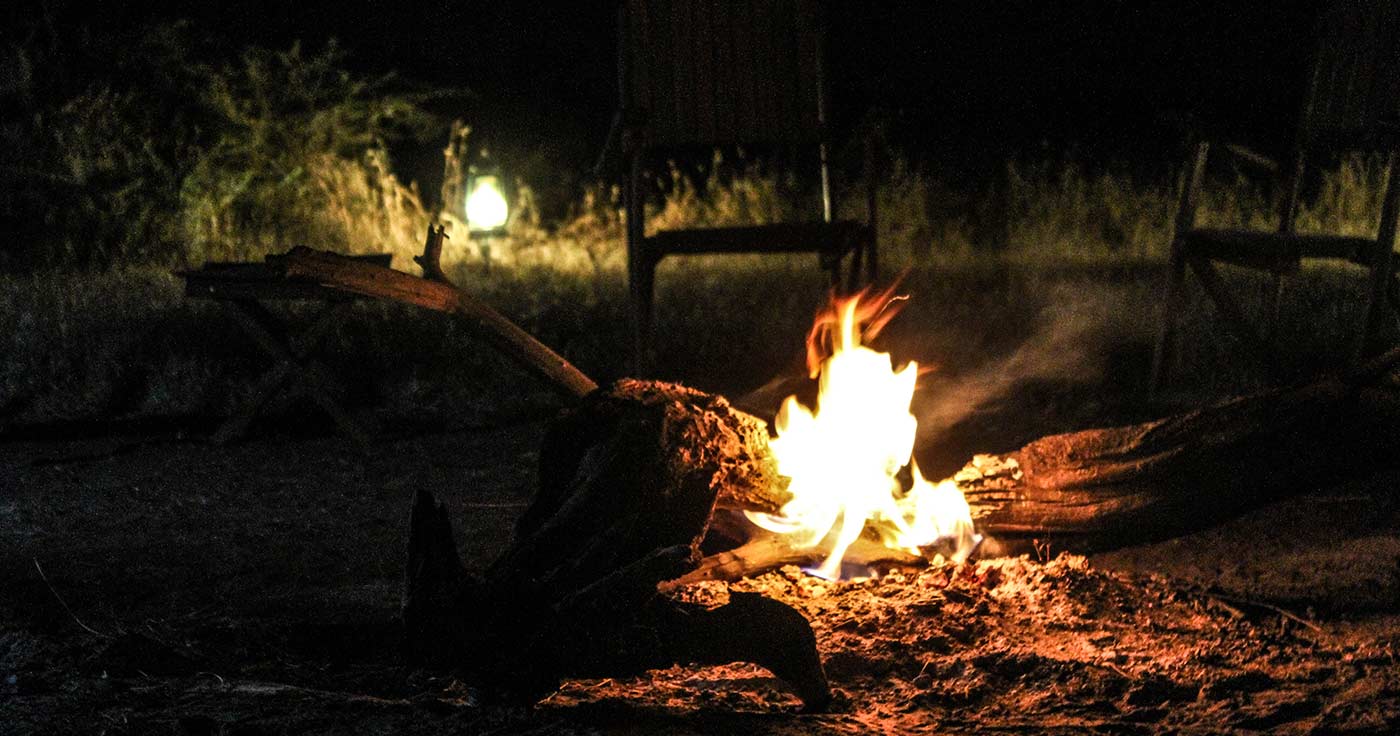
The campfire is the social heart of the evening at Serengeti Heritage Camp. After dinner, guests and guides gather around the fire, drinks in hand, to share stories of the day's sightings. The flames cast a warm, flickering light, and the darkness beyond the fire's reach feels vast and alive.
It is around the campfire that the most memorable conversations happen. Guides share their knowledge of the bush, their personal wildlife encounters, and stories from the Maasai and other local cultures. Fellow guests share their own adventures and observations. The fire creates a sense of community and intimacy that is increasingly rare in our hyperconnected world.
Safety at Night
The proximity of large nocturnal predators is what makes nights in the Serengeti so thrilling, but it also demands respect and sensible precautions:
- Never walk alone after dark. Always request an escort from a camp attendant, who will walk you to and from your tent using a torch. This is a standard protocol at all safari camps.
- Keep your tent zipped. The canvas is a barrier that animals instinctively respect. As long as your tent is closed, you are safe from even the largest predators.
- Use a headlamp with red light mode. Red light preserves your night vision and is less likely to disturb wildlife. White light can temporarily blind nocturnal animals and disrupt their natural behaviour.
- Do not leave food outside. Even small amounts of food can attract hyenas, honey badgers, and other nocturnal scavengers to the camp perimeter.
- If you hear an animal near your tent, stay inside and stay quiet. Animals passing through camp at night are almost always just moving through. Enjoy the thrill from the safety of your tent.
Night Drives in Concession Areas
While night game drives are not permitted within Serengeti National Park itself, some camps located in adjacent wildlife management areas and concessions do offer guided night drives. These drives use spotlights to locate nocturnal wildlife and can reveal species that are virtually impossible to see during the day — including aardvarks, aardwolves, genets, serval cats, and large-eared foxes.
If a night drive is important to you, discuss this with your safari planner when designing your itinerary. Incorporating a stay in a concession area alongside your Serengeti National Park experience can add a valuable nocturnal dimension to your safari.
The Serengeti after dark is a world of heightened senses, ancient rhythms, and primal connections. Whether you spend the evening listening to lions from your tent, gazing at the Milky Way from the campfire, or simply savouring the profound silence of the African bush at midnight, the nocturnal Serengeti will give you experiences that the daylight hours cannot match.
Related Articles
The Big Five: Where to Find Them in the Serengeti
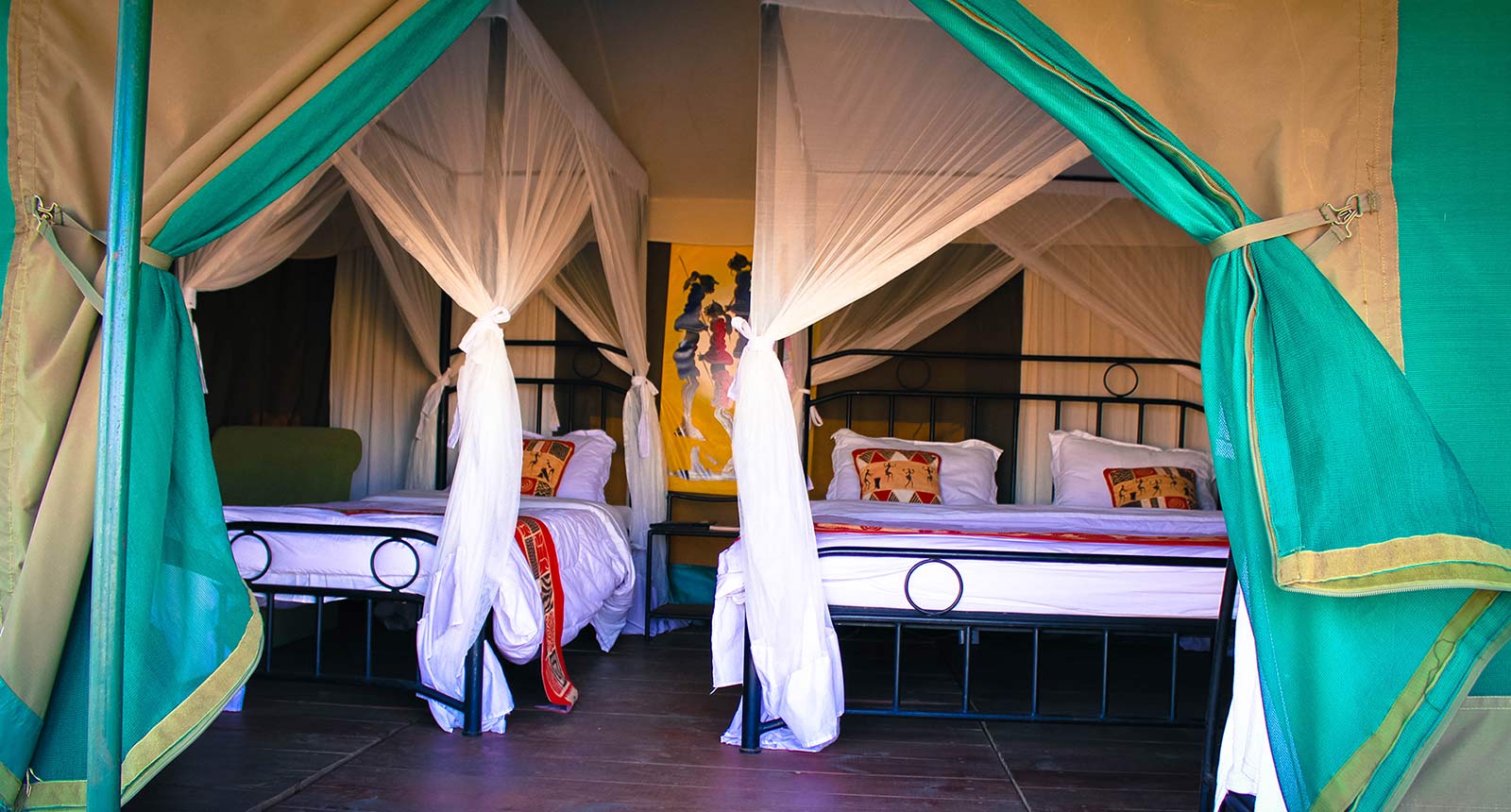
What to Expect: Your First Tented Safari Camp Experience