African Bush Cuisine: Dining Under the Stars
One of the most unexpected delights of a Serengeti safari is the food. Far from the basic provisions one might expect in a remote wilderness camp, the culinary experience at a well-run tented camp is a revelation — a celebration of East African flavours, fresh ingredients, and the timeless romance of dining in the African bush.
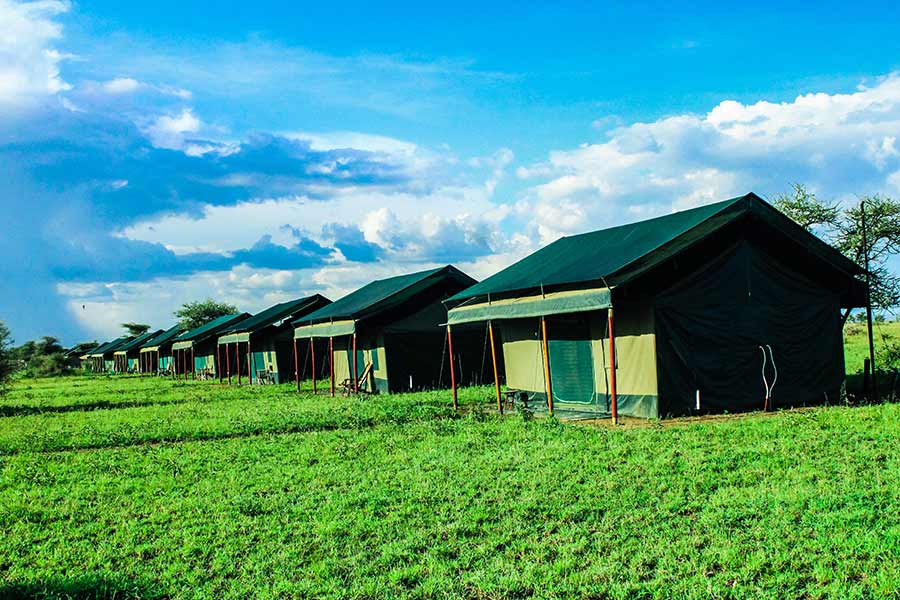
At Serengeti Heritage Camp, our kitchen team transforms the constraints of bush cooking into a virtue, producing meals that rival the best restaurants while using methods that honour the traditions of outdoor cooking. Food is central to the camp experience, a social anchor around which the rhythm of each day revolves.
The Bush Kitchen
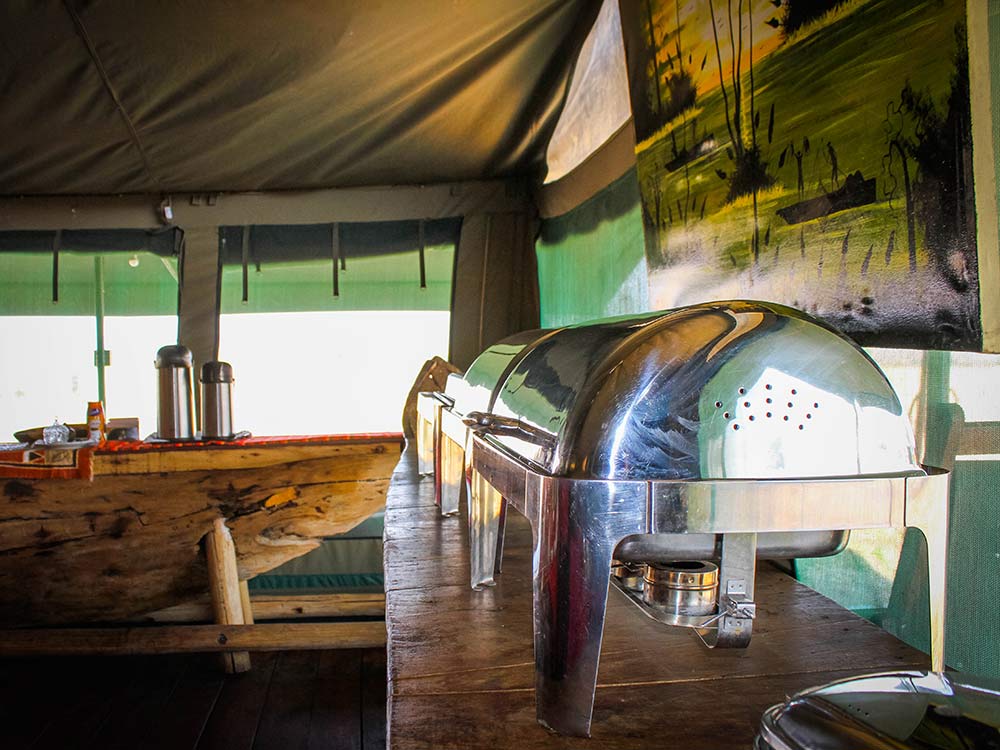
The camp kitchen is a marvel of resourceful engineering. Without the convenience of mains electricity, gas pipelines, or a short drive to the supermarket, our chefs work with wood-fired ovens, gas burners, and the freshest ingredients that can be sourced from the surrounding region. Bread is baked daily, meats are grilled over open flames, and sauces are made from scratch.
The supply chain for a Serengeti camp is a logistical challenge in itself. Fresh produce, meat, and dairy are delivered from Arusha — a journey of several hundred kilometres over unpaved roads. Our procurement team plans menus carefully to minimise waste and maximise freshness, and the camp maintains a small herb garden that provides fresh basil, coriander, mint, and rosemary year-round.
Tanzanian Culinary Traditions
The cuisine of Tanzania reflects the country's diverse cultural heritage. Influences from the Bantu peoples, the Maasai, Arab traders, Indian merchants, and European colonists have combined over centuries to create a rich and varied culinary tradition. At Serengeti Heritage Camp, we draw on these traditions while adapting them for international palates.
Key elements of Tanzanian cuisine that feature on our menus include:
- Ugali: The staple food of Tanzania, ugali is a thick porridge made from maize flour and water. It has a neutral flavour and a firm, slightly sticky texture that is perfect for scooping up stews and sauces. For many Tanzanians, no meal is complete without ugali.
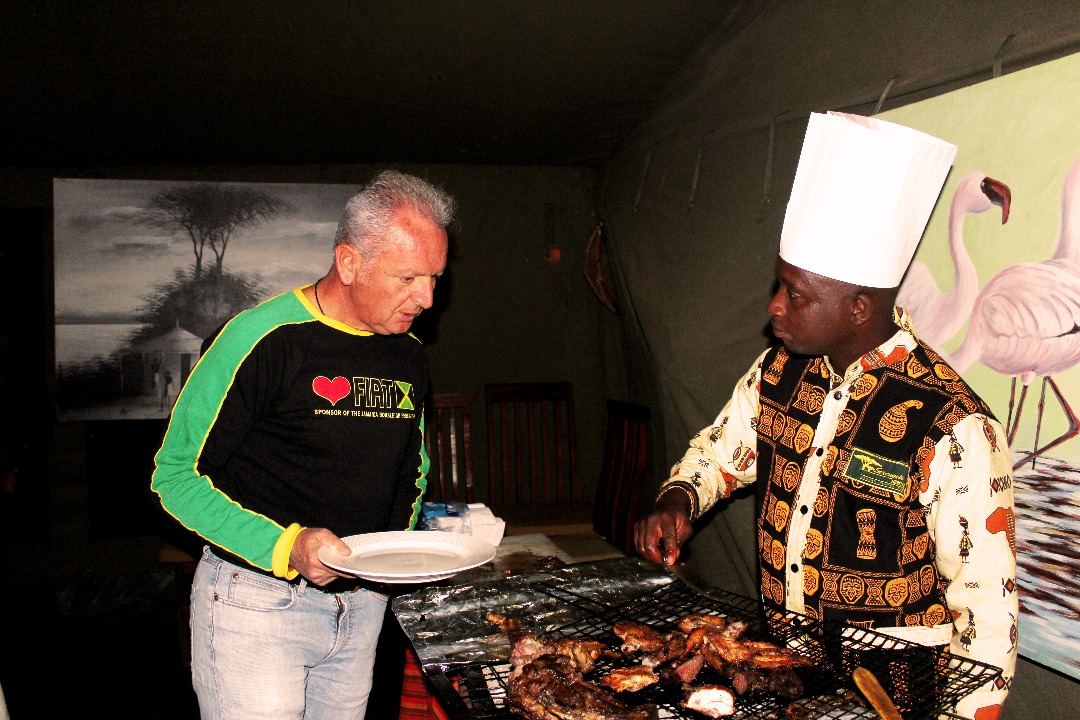
- Nyama Choma: Perhaps the most beloved dish in East Africa, nyama choma is simply grilled meat — typically goat, beef, or chicken — marinated and cooked slowly over charcoal until tender and smoky. The simplicity of the preparation allows the quality of the meat to shine.
- Pilau: A fragrant rice dish flavoured with cinnamon, cardamom, cumin, and cloves, pilau reflects the strong Indian and Arab influences on the Tanzanian coast. It is often served with meat or vegetable stews and is a staple of celebrations and special occasions.
- Chapati: Thin, unleavened flatbreads cooked on a hot griddle. Chapati came to East Africa with Indian traders and has become a ubiquitous accompaniment to meals across Tanzania.
- Mchuzi wa Samaki: A coconut fish curry that is a specialty of the Tanzanian coast, adapted for bush cooking using whatever fresh fish is available.
A Day of Dining at Camp
Pre-Dawn Coffee
Your day begins before the sun rises with a tray delivered to your tent — steaming Tanzanian coffee or tea, accompanied by a biscuit or small pastry. This early fuel powers you through the first hours of the morning game drive, when the bush is at its most alive.
Bush Breakfast
Midway through the morning game drive, your guide selects a scenic spot — perhaps under a spreading acacia tree overlooking the plains — and the camp team sets up a full breakfast. The spread typically includes fresh tropical fruits (mango, papaya, pineapple, passion fruit), yoghurt and granola, freshly baked bread and pastries, scrambled eggs or omelettes cooked to order, and an assortment of preserves and honey. Watching a herd of zebra graze while you sip coffee in the golden morning light is a quintessentially Serengeti experience.
Lunch
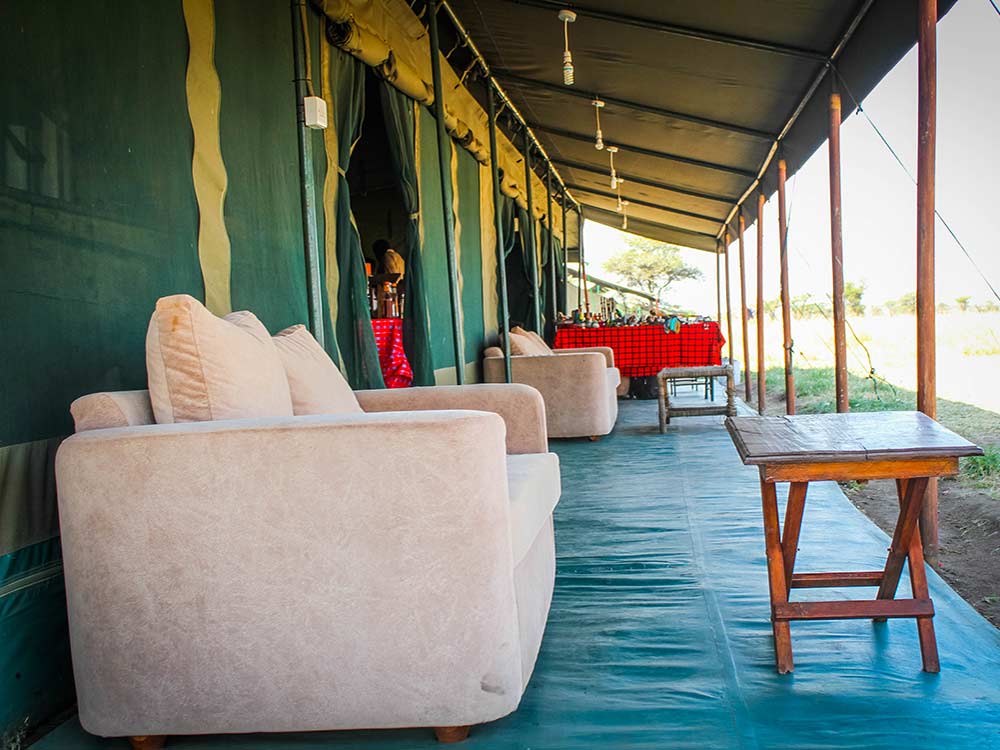
Lunch at camp is a relaxed affair, served in the open-air dining area during the heat of the day. A typical lunch menu features a selection of fresh salads — beetroot, avocado, mixed greens, coleslaw — alongside grilled meats, vegetarian options, and a hot dish such as a fragrant curry or pasta. Homemade soup is often available, and desserts range from fresh fruit platters to cakes and crumbles.
For guests who prefer to spend the entire day in the field, the kitchen prepares packed lunches — substantial picnic hampers with sandwiches, wraps, fruit, snacks, and cold drinks, enjoyed at one of the park's designated picnic sites.
Afternoon Tea
Before the afternoon game drive, a traditional afternoon tea is served at camp. Freshly baked cakes, cookies, and samosas are accompanied by tea, coffee, and cold drinks. This pleasant ritual provides the energy needed for several hours of evening game viewing.
Dinner Under the Stars
Dinner is the culinary highlight of the day. On clear evenings — which is most evenings in the Serengeti — tables are set around the campfire, and the meal is served under a canopy of stars that stretches from horizon to horizon with a brilliance that is impossible in the light-polluted cities most guests call home.
A typical dinner at Serengeti Heritage Camp follows a three-course format:
- Starter: Perhaps a butternut squash soup with a swirl of coconut cream, or a fresh Zanzibar-spiced prawn cocktail, or bruschetta with roasted vegetables and pesto.
- Main course: Nyama choma with roasted vegetables and pilau rice, or a tender beef fillet with a red wine reduction, or a vegetarian Tanzanian curry with freshly baked chapati. Our chefs are adept at catering to dietary requirements — vegetarian, vegan, gluten-free, and other needs are accommodated with advance notice.
- Dessert: A mango and passion fruit panna cotta, a warm chocolate fondant, or a traditional Tanzanian banana and coconut bake. Desserts make excellent use of the tropical fruits available in Tanzania.
The Sundowner Tradition
No discussion of bush dining would be complete without the sundowner — the tradition of stopping during the afternoon game drive to enjoy a drink as the sun sets. Your guide finds a spot with an unobstructed western view, the vehicle is parked, and a cooler box produces cold beers, gin and tonics, wine, or soft drinks alongside a selection of snacks.
There is something profoundly restorative about standing in the open bush with a cold drink in hand, watching the African sun paint the sky in shades of gold, amber, and crimson. The sundowner is not just a drink — it is a ritual that connects you to the timeless rhythm of the land.
Dietary Needs and Allergies
Our kitchen team is experienced in catering to a wide range of dietary requirements. Whether you are vegetarian, vegan, lactose intolerant, gluten-free, or have specific allergies, we can accommodate your needs with advance notice. Please inform us of any dietary requirements at the time of booking so we can plan accordingly. As recommended by the World Health Organization, food safety and hygiene are always our top priority in the bush kitchen.
Coffee and Tanzanian Tea
Tanzania is one of Africa's premier coffee-growing regions, and Tanzanian coffee — particularly from the slopes of Mount Kilimanjaro and Mount Meru — is prized for its bright acidity, full body, and complex flavour profile. At camp, we serve freshly brewed Tanzanian coffee throughout the day, and many guests discover a new appreciation for single-origin African coffee during their stay.
Tanzanian tea, grown primarily in the highlands around Tanga and Iringa, is equally excellent — robust, full-flavoured, and best enjoyed with a splash of milk and a spoonful of local honey.
Dining at Serengeti Heritage Camp is more than sustenance — it is an integral part of the safari experience. The combination of exceptional food, extraordinary settings, and the warmth of sharing a meal with fellow travellers in the heart of the African bush creates memories that endure long after the last plate is cleared.
Related Articles
What to Expect: Your First Tented Safari Camp Experience
Night Safari: Discovering Serengeti After Dark