
Safari Photography Tips: Capturing Wildlife in the Serengeti
The Serengeti is a photographer's paradise. From the intimate portrait of a lioness with her cubs to the sweeping panorama of a million wildebeest on the move, the opportunities for extraordinary images are limited only by your preparation and patience. Whether you are a seasoned wildlife photographer or picking up a camera for the first time, these tips will help you capture the magic of the Serengeti.
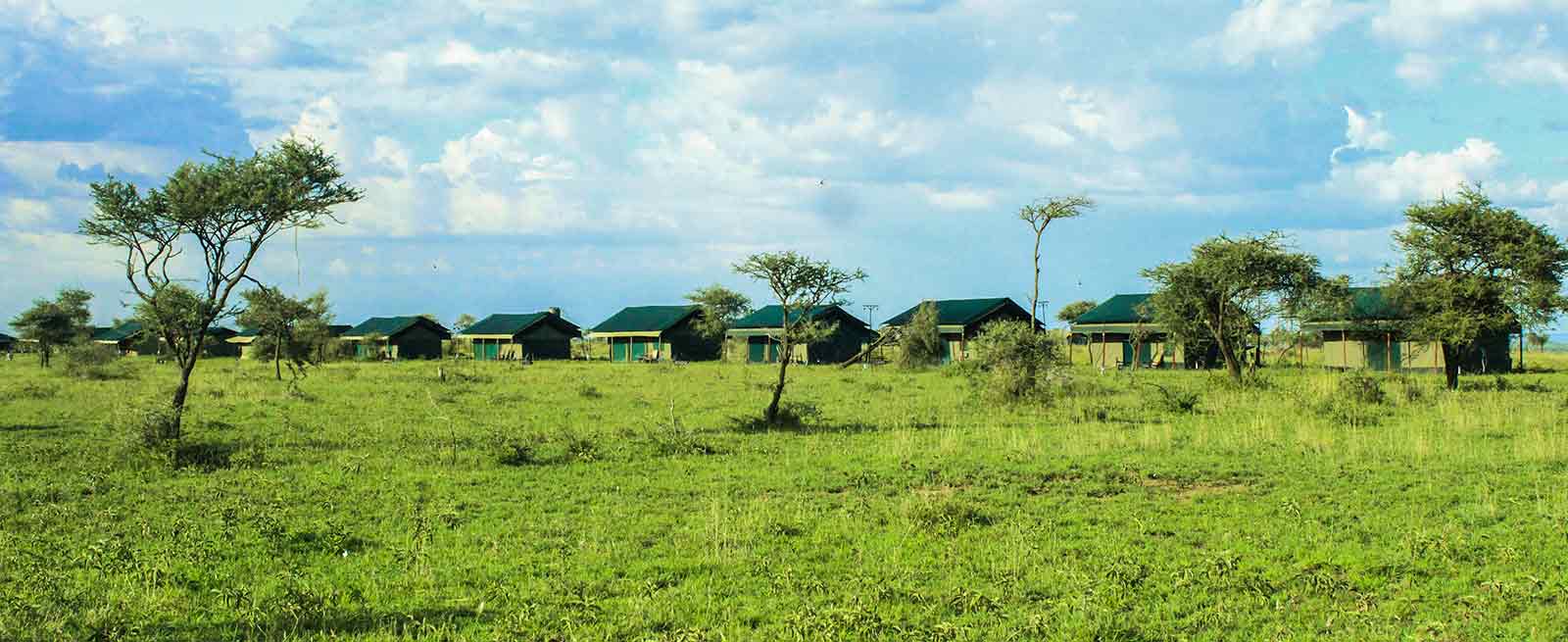
Over the years, we have hosted professional photographers, keen amateurs, and first-time safari-goers at Serengeti Heritage Camp, and we have gathered a wealth of practical knowledge about what works in the field. This guide covers everything from essential equipment and camera settings to composition techniques and the art of patience.
Essential Equipment
You do not need the most expensive gear to take great safari photos, but the right equipment makes a significant difference. Here is what we recommend:
Camera Bodies
Any modern DSLR or mirrorless camera will serve you well on safari. The key features to look for are fast autofocus performance, good high-ISO capability (for dawn and dusk shooting), and a reasonable burst rate (frames per second) for capturing action sequences. If you shoot with a crop-sensor camera, you will benefit from additional reach — a 300mm lens on a crop sensor effectively becomes a 450mm, which is excellent for wildlife.
Lenses
Your lens choice is arguably more important than your camera body. For wildlife photography in the Serengeti, consider the following:
- 70-200mm f/2.8: A versatile workhorse for medium-range wildlife and portraits. The wide aperture allows for beautiful background blur and effective low-light shooting.
- 100-400mm or 200-500mm: The ideal safari zoom range. These lenses provide the reach needed for most wildlife encounters without being excessively heavy or bulky.
- 24-70mm or 16-35mm: Essential for landscapes, camp life, and environmental portraits. Do not neglect wide-angle shots — some of the most powerful safari images place animals in the context of the vast Serengeti landscape.
- 1.4x teleconverter: A lightweight way to extend your reach. A 1.4x converter on a 200-500mm lens gives you an effective range of 280-700mm.
Support and Accessories
Tripods are impractical in a safari vehicle, but lens support is essential for sharp images at long focal lengths. A beanbag is the gold standard — simply drape it over the vehicle's door frame or window edge and rest your lens on it. You can buy purpose-made safari beanbags or make your own from a small bag filled with dried beans or rice upon arrival.
Other useful accessories include extra memory cards (shoot in RAW and you will fill cards quickly), spare batteries, a sensor cleaning kit, and a lens cloth. A dust-proof bag or case is essential — the Serengeti's fine red dust penetrates everything.
Camera Settings for Safari
Wildlife photography requires quick reactions and the right settings. Here are our recommended starting points:
Aperture Priority Mode
Most experienced safari photographers shoot in aperture priority mode (A or Av on your camera dial). Set your aperture to the widest your lens allows (f/2.8 to f/5.6) for individual animal portraits, which creates a pleasing background blur that separates the subject from its surroundings. For group scenes or landscapes with wildlife, stop down to f/8 or f/11 for greater depth of field.
Shutter Speed
A general rule for wildlife photography is to use a shutter speed at least as fast as your focal length — so at 400mm, aim for 1/400s or faster. For action shots like running predators or river crossings, you will need 1/1000s or faster. Do not be afraid to push your ISO to achieve the necessary shutter speed; modern cameras handle high ISO remarkably well. According to wildlife photography best practices, freezing motion is usually the top priority.
Autofocus
Set your camera to continuous autofocus (AF-C or AI Servo) and use a cluster of focus points rather than a single point. This gives the camera the best chance of tracking a moving animal. Most modern cameras offer animal-eye detection autofocus, which is remarkably effective for wildlife.
Burst Mode
Switch to continuous shooting mode (burst mode) for action sequences. Wildlife moments are fleeting — a lion yawning, an eagle striking, a wildebeest leaping into a river — and shooting in bursts maximises your chances of capturing the decisive moment.
Composition Techniques
Good composition transforms a snapshot into a compelling image. Here are the principles that matter most on safari:
Eye contact: An animal looking directly at the camera creates a powerful emotional connection. Be patient and wait for the moment when your subject turns toward you. A portrait with direct eye contact is almost always more powerful than a profile shot.
Rule of thirds: Place your subject off-centre for a more dynamic composition. Position the animal's eye on one of the intersecting points of an imaginary 3x3 grid overlaid on your frame.
Leave space for the gaze: If an animal is looking or moving to the left, position it on the right side of the frame, leaving space in the direction it is looking. This creates a sense of movement and narrative.
Get low: Eye-level shots are far more engaging than photos taken from above. In a safari vehicle, you are already at a good height for many animals, but for smaller subjects like jackals or ground birds, ask your guide to position the vehicle to give you the lowest possible angle.
Use the environment: Not every shot needs to be a tight close-up. Some of the most memorable safari images show animals small in the frame, dwarfed by the vast Serengeti landscape. These "environmental portraits" tell a story that close-ups cannot.
Working with Light
Light is the single most important element in photography, and the Serengeti delivers some of the most extraordinary light on Earth. The golden hours — the first and last hour of sunlight each day — produce warm, directional light that gives wildlife images depth, warmth, and drama.
The harsh midday sun, typically between 10:00 AM and 3:00 PM, creates unflattering shadows and washed-out images. This is a good time to rest at camp, review photos, and prepare for the afternoon drive. If you do shoot during midday, look for animals in dappled shade, or embrace the harsh light for graphic, high-contrast black-and-white images.
Overcast skies, while less dramatic, provide beautifully even lighting that is ideal for portraits and detail shots. Cloud cover eliminates harsh shadows and brings out the subtle colours and textures of fur, feathers, and skin.
The best safari photographs are not taken with the best cameras — they are taken by photographers who understand light, have patience, and respect the animals they photograph.
Ethical Wildlife Photography
As photographers, we have a responsibility to prioritise the welfare of our subjects. The Nature Conservancy and other organisations emphasise that ethical wildlife photography means never disturbing animals for a shot. Here are the principles we follow at Serengeti Heritage Camp:
- Never ask your guide to drive closer than the recommended distance from wildlife. If an animal shows signs of stress — ears back, body tense, moving away — it is time to retreat.
- Do not use flash, artificial lights, or bait to attract animals.
- Avoid loud noises, sudden movements, or standing up in the vehicle.
- Be truthful in your image descriptions. Do not pass off captive or baited animal photos as wild encounters.
Smartphone Photography
Not everyone travels with professional camera equipment, and modern smartphones are capable of remarkable images. For the best results with a phone, focus on landscapes, sunsets, camp life, and wider wildlife scenes. The Serengeti's dramatic skies and vast horizons are perfectly suited to smartphone photography. For closer wildlife shots, consider a clip-on telephoto lens attachment — they are lightweight, affordable, and can significantly extend your phone's reach.
Post-Processing
Even the best photographs benefit from thoughtful post-processing. Shoot in RAW format for maximum flexibility, and use software like Adobe Lightroom or Capture One to refine your images. Key adjustments include exposure correction, white balance, shadow recovery, and selective sharpening. Resist the temptation to over-process — the Serengeti's natural beauty speaks for itself.
The greatest tip for safari photography is one that requires no equipment at all: be present. Put the camera down sometimes and simply watch. The memories you form through direct observation will be as valuable as any photograph, and the moments of connection with the natural world will inform and enrich every image you make.
Related Articles
The Great Migration: Witnessing Nature's Greatest Spectacle
Bird Watching in the Serengeti: A Guide for Enthusiasts