The Ultimate Safari Packing Guide
Packing for your first African safari can feel overwhelming. The Serengeti is a vast, remote wilderness, and being properly prepared makes the difference between a good trip and an extraordinary one. Over the years, we have helped hundreds of guests prepare for their Serengeti adventure, and this guide distils everything we have learned into a practical, comprehensive packing list.
The key principle is to pack light but smart. Most bush flights and internal transfers in Tanzania have strict luggage limits — typically 15 to 20 kilograms in a soft-sided bag. Hard-shell suitcases are generally not suitable for light aircraft, so invest in a quality duffel bag or soft travel bag before your trip.
Clothing Essentials
The Serengeti straddles the equator, and temperatures can vary significantly between early morning game drives and midday sun. Layering is essential. Here is what we recommend:
- Neutral-coloured shirts and trousers: Khaki, olive, tan, and brown are ideal. Avoid bright colours and white, which can attract insects and startle wildlife. Dark navy and black can also attract tsetse flies.
- Long-sleeved shirts: These protect against sun and insects. Choose lightweight, breathable fabrics with UPF protection if possible.
- Convertible trousers: Zip-off trousers that convert to shorts are incredibly practical for safari. You will want long legs for early morning drives and shorts for warmer afternoons.
- A warm fleece or jacket: Early morning game drives can be surprisingly cold, especially during the dry season (June to October). Temperatures can drop to 10-12 degrees Celsius before dawn.
- A wide-brimmed hat: Sun protection is essential on the equator. A hat with a chin strap is ideal for open-vehicle game drives.
- Comfortable walking shoes: Closed-toe shoes with good grip are important for walking safaris and around camp. Avoid sandals for game drives, as your feet will be dusty and exposed to thorns.
- A lightweight rain jacket: Even during the dry season, unexpected showers can occur. A packable waterproof layer is invaluable.
Camera and Optics
Your camera equipment will likely be the most valuable items in your bag. The Serengeti offers extraordinary photographic opportunities, and being prepared ensures you capture the memories that will last a lifetime.
- Camera body: Any DSLR or mirrorless camera will serve you well. If you are using a smartphone, consider a clip-on telephoto lens attachment.
- Telephoto lens: A 70-300mm or 100-400mm lens is ideal for most wildlife photography. For serious photographers, a 200-600mm or a prime 500mm delivers stunning results.
- Wide-angle lens: For landscapes, sunsets, and camp life, a lens in the 16-35mm range is perfect.
- Extra batteries and memory cards: Charging opportunities may be limited. Bring at least two spare batteries and plenty of storage.
- Binoculars: A good pair of binoculars (8x42 or 10x42) is arguably more important than a camera. They allow you to appreciate details that are invisible to the naked eye. The right magnification makes all the difference when scanning the plains.
- A beanbag or monopod: Tripods are impractical in a safari vehicle, but a beanbag draped over the vehicle's door frame provides excellent lens support.
Health and Personal Care
Your health and comfort are paramount on safari. The Serengeti is a remote environment, and the nearest hospital may be several hours away. Proper preparation minimises risk and maximises enjoyment.
- Sunscreen (SPF 50+): Apply generously and frequently. The equatorial sun is intense, even on overcast days.
- Insect repellent: DEET-based repellent (at least 30%) is recommended for evenings and early mornings when mosquitoes are most active. The Serengeti is a malaria area, so protection is essential.
- Anti-malaria medication: Consult your doctor well before departure. Common prophylactics include Malarone (atovaquone/proguanil) and doxycycline. The CDC provides current guidance on malaria prevention for travellers.
- A basic first aid kit: Include plasters, antiseptic cream, pain relief, anti-diarrheal medication, rehydration salts, and any personal prescription medications.
- Lip balm with SPF: The dry bush air can chap lips quickly.
- Wet wipes and hand sanitiser: Essential for freshening up between game drives.
Electronics and Accessories
While the primary appeal of the Serengeti is disconnecting from the modern world, a few carefully chosen electronics can enhance your experience:
- A headlamp or torch: Essential for moving around camp after dark. Red-light mode is preferable, as it preserves night vision and is less disturbing to wildlife.
- Power bank: A high-capacity power bank (20,000 mAh or more) ensures your devices stay charged between generator hours.
- Universal adapter: Tanzania uses British-style three-pin plugs (Type G). Bring an adapter if your devices use a different standard.
- Dust-proof bags: Ziploc bags protect cameras and electronics from the fine Serengeti dust that permeates everything.
What to Leave Behind
Equally important to knowing what to bring is knowing what not to bring. The bush is no place for excess baggage:
- Jewellery and valuables: Keep them at home or in your hotel safe before heading into the park.
- Perfume and scented products: Strong scents attract insects and can disturb wildlife.
- Camouflage clothing: Military-style camo is illegal to wear in several East African countries, including Tanzania.
- Drone equipment: Drones are prohibited in all Tanzanian national parks.
Packing Checklist Summary
| Category | Items |
|---|---|
| Clothing | 3-4 neutral shirts, 2 pairs trousers, fleece, rain jacket, hat, comfortable shoes |
| Optics | Camera, telephoto lens, binoculars, extra batteries, memory cards |
| Health | Sunscreen, insect repellent, malaria prophylaxis, first aid kit |
| Electronics | Headlamp, power bank, adapter, dust bags |
| Documents | Passport, visa, travel insurance, vaccination certificates |
Final Thoughts
The most important thing to bring on safari is an open mind and a sense of wonder. The Serengeti has a way of stripping away the complications of modern life and reconnecting us with something ancient and essential. Pack wisely, travel light, and prepare to be transformed by one of the most extraordinary places on Earth.
If you have any questions about what to bring for your stay at Serengeti Heritage Camp, do not hesitate to contact our team. We are always happy to help you prepare for the adventure of a lifetime.
Related Articles
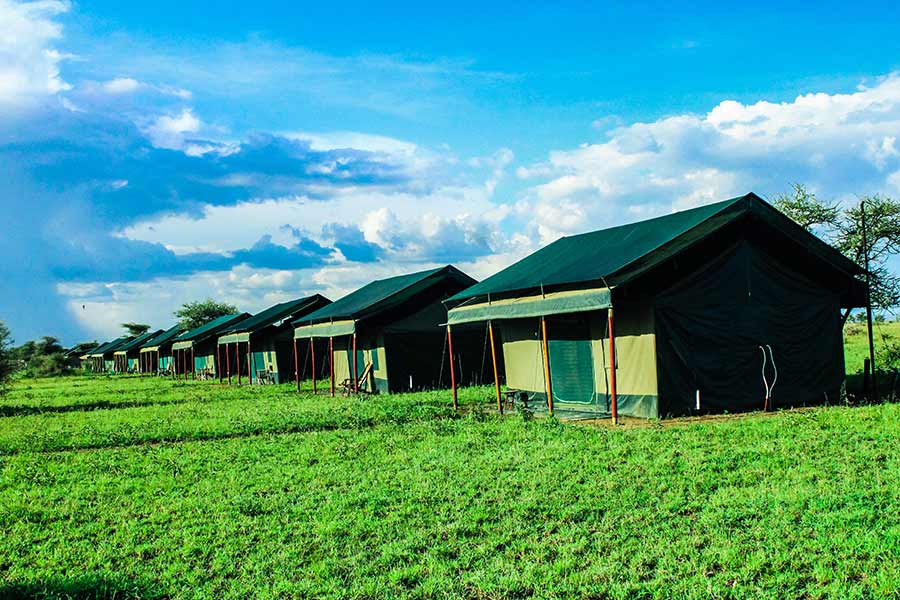
Planning Your First Tanzania Safari: A Complete Guide
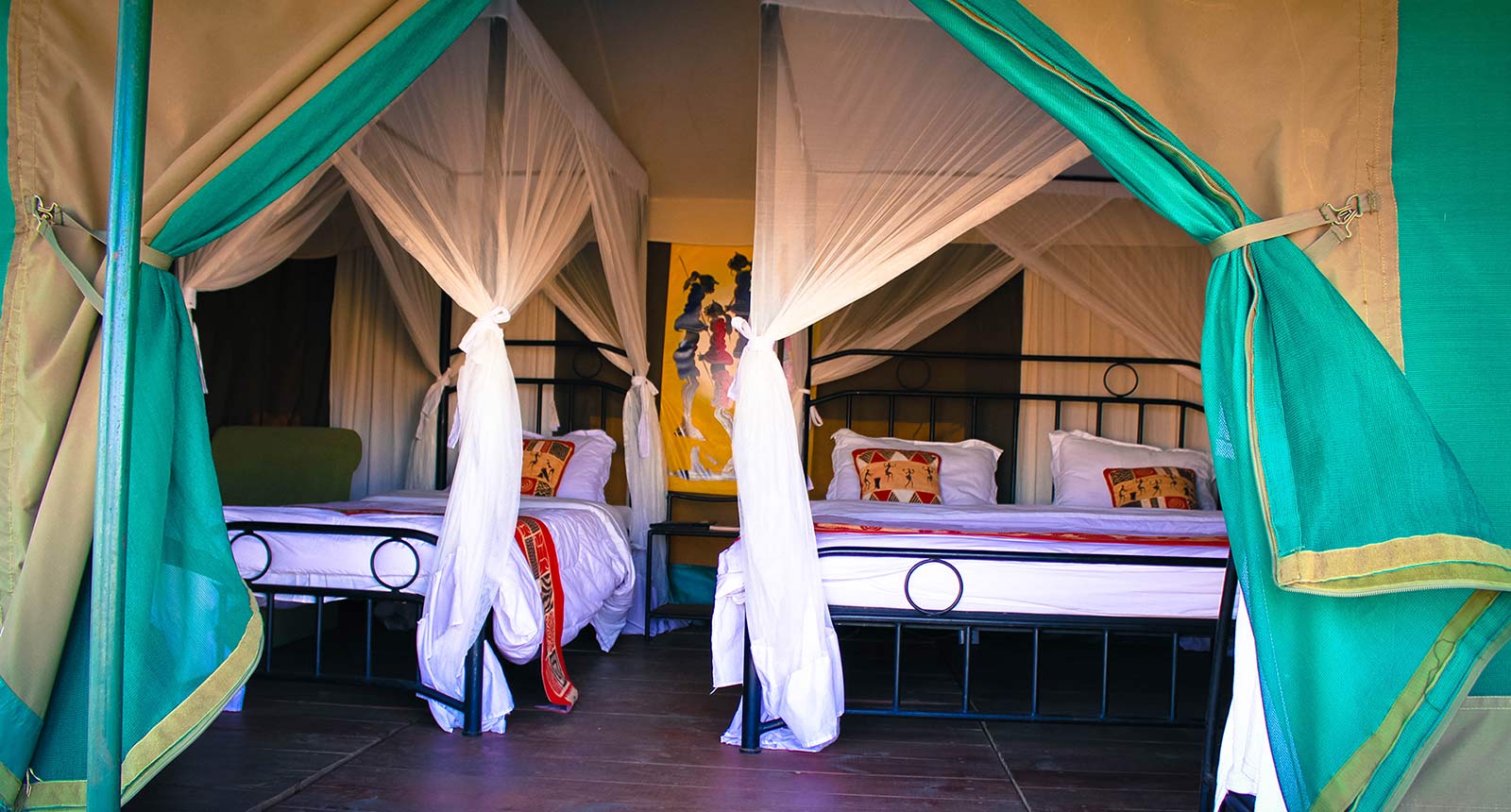
What to Expect: Your First Tented Safari Camp Experience