What to Expect: Your First Tented Safari Camp Experience
For many visitors, the idea of sleeping in a tent in the middle of the African bush conjures images of roughing it — uncomfortable camp beds, cold showers, and mosquitoes. The reality of a modern luxury tented camp in the Serengeti could not be more different. At Serengeti Heritage Camp, we combine the romance and authenticity of traditional safari camping with comforts that rival a fine hotel, creating an experience that is both immersive and indulgent.
If you are considering your first tented camp safari, this guide will walk you through everything you can expect, from your arrival to the moment you reluctantly say goodbye to the bush.
Arrival and Welcome
Most guests arrive at camp by light aircraft, landing on one of the Serengeti's grass airstrips. The flight itself is a breathtaking experience, offering aerial views of the vast plains, scattered kopjes, and, if your timing is right, the sweeping dark columns of the Great Migration from above.
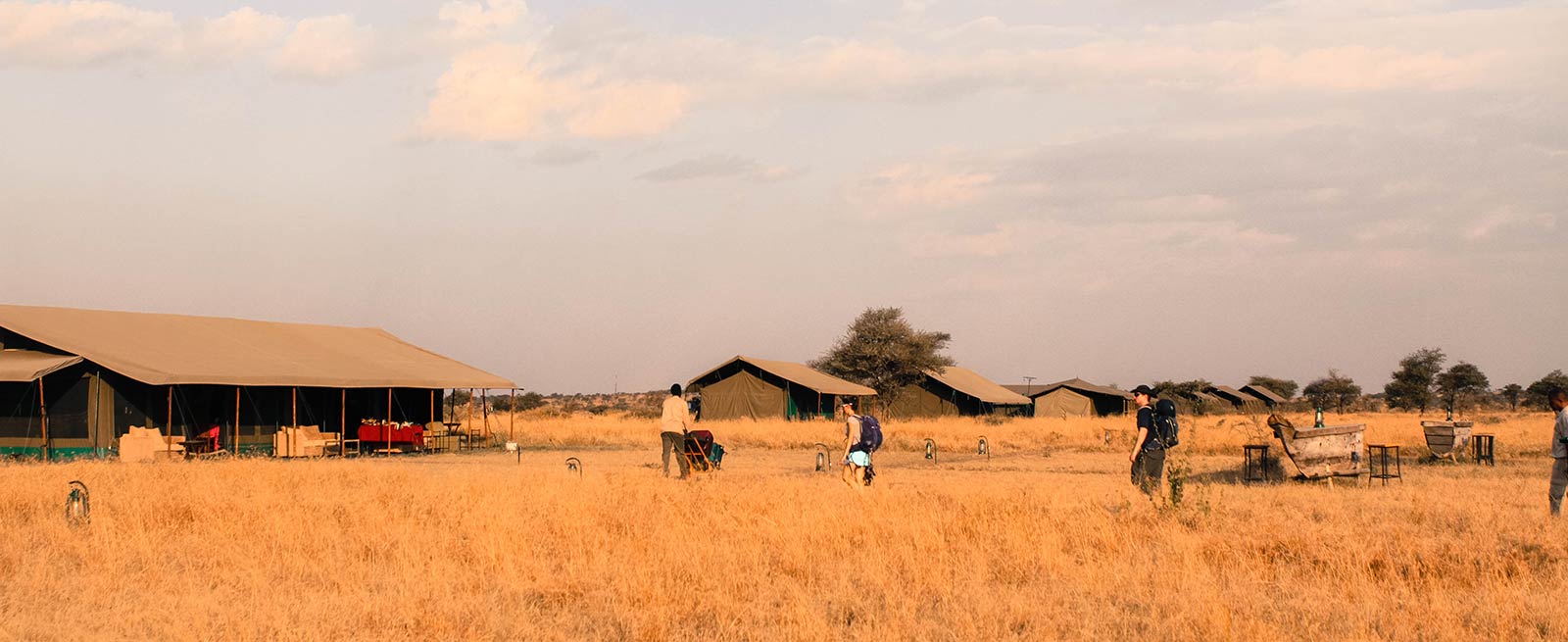
Upon landing, you will be met by your safari guide and transported to camp in a purpose-built 4x4 vehicle. The drive from the airstrip often doubles as your first game drive, so keep your eyes open and your camera ready. Arriving at camp, you will be greeted with cold towels, fresh juice, and warm smiles from our team. A brief orientation follows, covering camp layout, safety guidelines, and meal times.
Your Tent
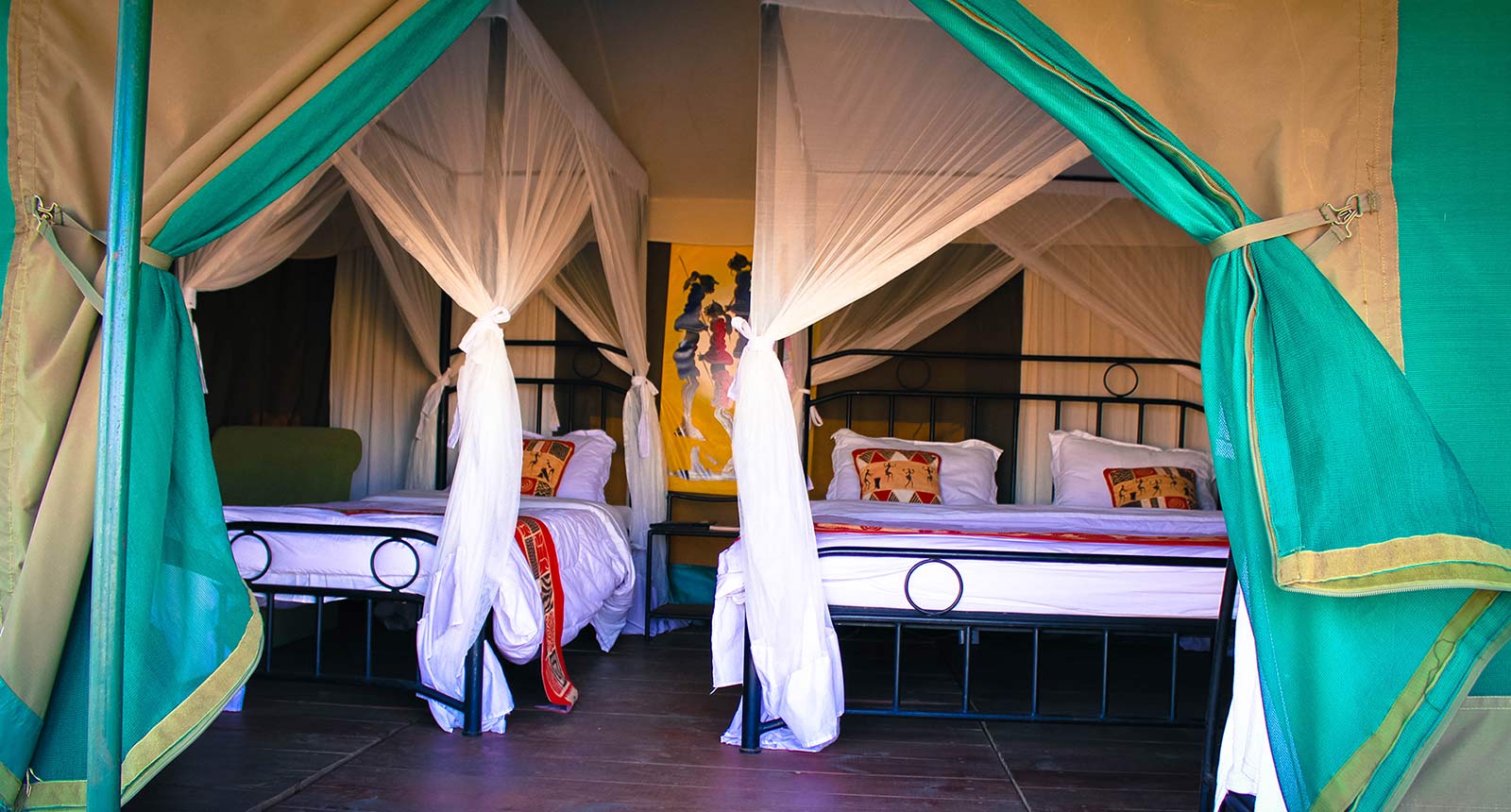
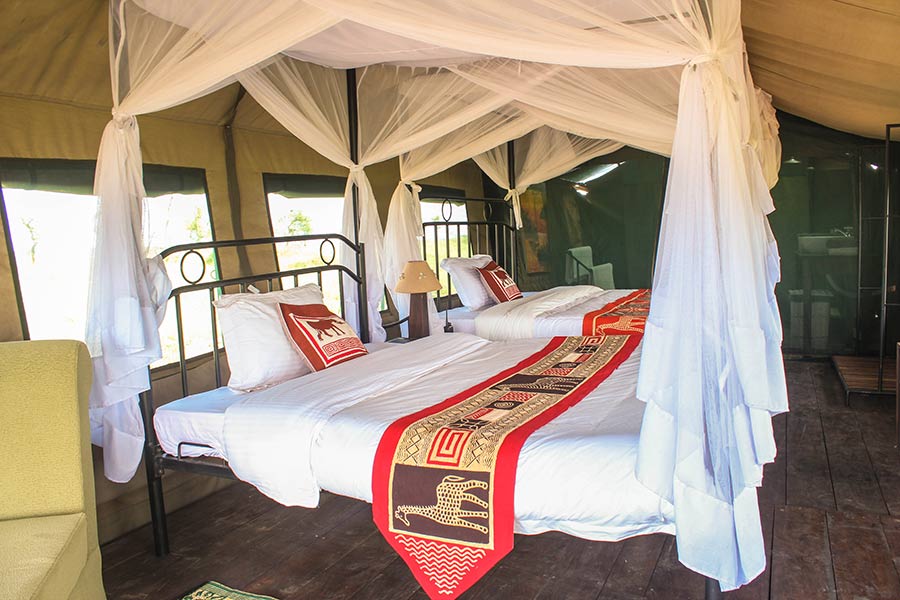
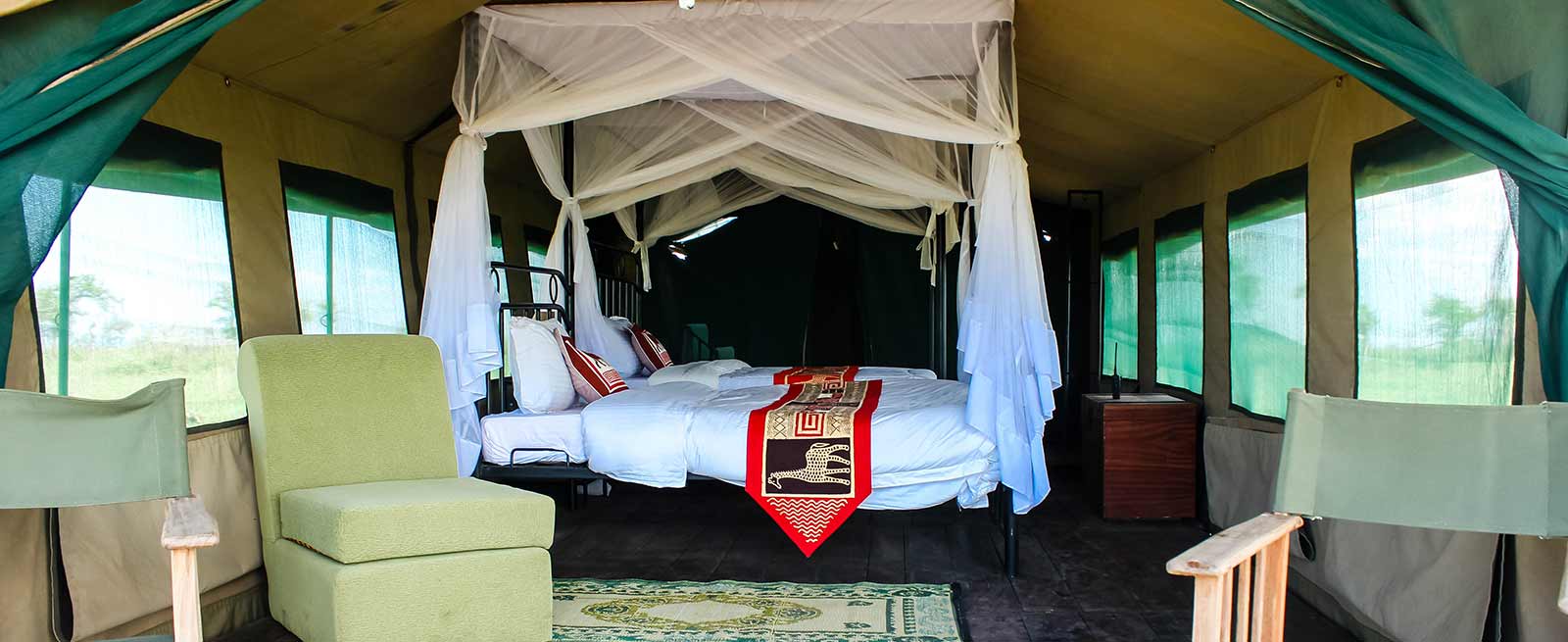
The word "tent" barely does justice to the spacious canvas structures that serve as your home in the bush. Each tent at Serengeti Heritage Camp is built on a raised wooden platform and features a full-size bed with premium mattress, quality linens, and a mosquito net. The interior is furnished with locally crafted furniture, writing desks, and ample storage space.
The en-suite bathroom includes a flush toilet, a hot-water shower, and a washbasin. Hot water is heated using an eco-friendly system and is available at all times. Towels, soap, and basic toiletries are provided. Electricity from solar panels and generators powers lighting and charging points, typically available during specific hours of the day — usually early morning and evening.
What makes the tented experience special is the connection to the outside world. The canvas walls breathe, allowing you to hear the sounds of the bush — the distant roar of a lion, the chirping of crickets, the call of a nightjar. Mesh windows allow you to gaze out at the surrounding landscape from the comfort of your bed. It is this intimate connection with nature that sets a tented camp apart from a conventional lodge.
A Typical Day on Safari
Life at a tented camp revolves around the rhythms of the bush, and each day follows a pattern designed to maximise your wildlife encounters while allowing plenty of time for rest and relaxation.
Early Morning (5:30 - 6:00 AM)
Your day begins with a gentle wake-up call — a camp attendant arrives at your tent with a tray of hot coffee or tea and a small snack. The pre-dawn light is magical, and the cool morning air is invigorating. This early start ensures you are in the bush during the golden hour, when predators are most active and the light is perfect for photography.
Morning Game Drive (6:30 - 11:00 AM)
The morning game drive is the highlight of the day for most guests. Your experienced guide navigates the Serengeti's tracks in an open-sided 4x4 vehicle, searching for wildlife and interpreting the landscape. A typical morning drive might include encounters with lions lazing on a kopje, a leopard descending from an acacia tree, elephants at a waterhole, or vast herds of wildebeest stretching to the horizon.
Midway through the drive, your guide will find a scenic spot for a bush breakfast — a full spread laid out on the bonnet of the vehicle or on a linen-covered table set up in the shade of an acacia tree. Fresh fruit, pastries, eggs, and more, all enjoyed with a panoramic view of the Serengeti. There is nothing quite like sipping coffee while watching a herd of zebra graze in the morning mist.
Afternoon (12:00 - 3:00 PM)
The middle of the day is hot, and both wildlife and safari-goers take a break. This is your time to relax at camp — read a book on your tent veranda, cool off with a refreshing drink in the mess tent, or simply absorb the sights and sounds of the bush. Many guests use this time to review their photographs, journal their experiences, or take a well-earned nap.
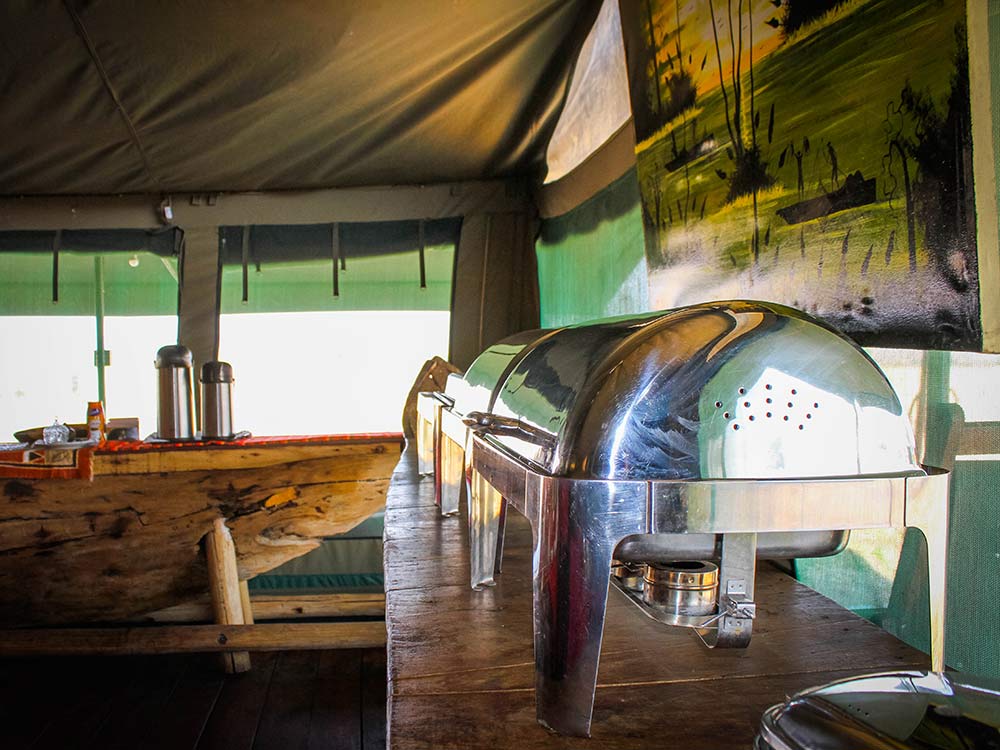
Lunch is typically a leisurely affair, served in the open-air dining area. The camp chefs prepare a buffet of fresh salads, grilled meats, vegetarian options, and local Tanzanian dishes, followed by fruit and homemade desserts.
Afternoon Game Drive (3:30 - 6:30 PM)
As the heat subsides and the light turns golden, you head out for the afternoon game drive. The late afternoon is another peak period for wildlife activity. Predators begin to stir, herbivores move to evening grazing areas, and the landscape is bathed in the warm, amber light that photographers live for. The drive concludes with a "sundowner" — a cold drink enjoyed in the bush as you watch the sun set over the Serengeti. It is a profoundly peaceful moment.
Evening (7:00 PM onwards)
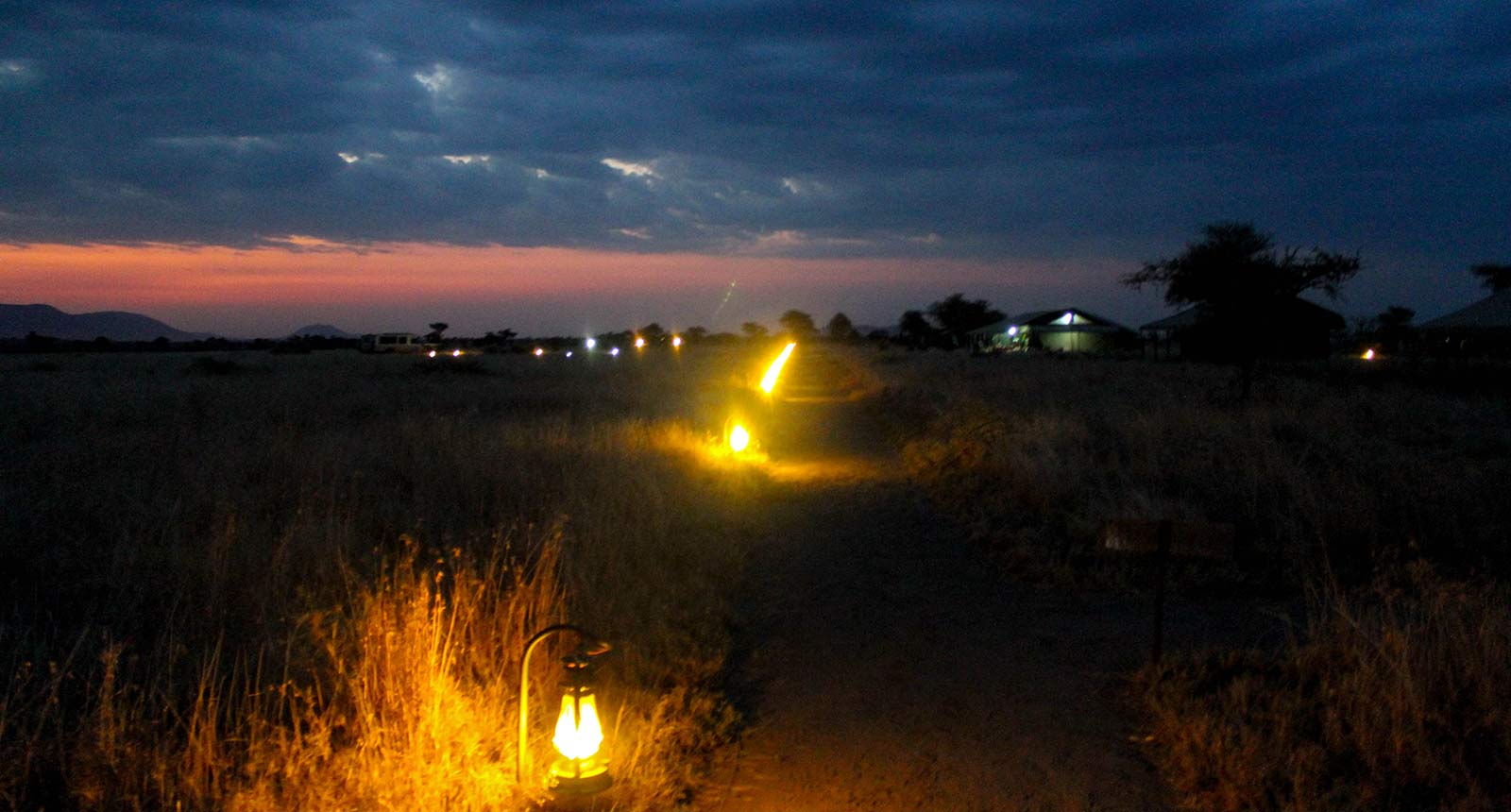
Back at camp, a hot shower awaits. Dinner is served around 7:30 PM, often around a campfire under a canopy of stars. The camp's chef prepares a multi-course meal featuring the best of East African and international cuisine. The evening is spent sharing stories of the day's sightings, stargazing, and listening to the sounds of the nocturnal bush before retiring to your tent.
Safety in the Bush
One of the most common questions first-time visitors ask is: "Is it safe?" The answer is yes — with sensible precautions. Tented camps in the Serengeti National Park have operated safely for decades, and the camp staff are highly trained in bush safety protocols.
- Never walk around camp after dark without an escort. Camp attendants are always available to walk you to and from your tent.
- Keep your tent zipped at all times. The canvas provides a barrier that animals instinctively respect.
- Do not leave food in your tent. Store all snacks in the provided lockbox or return them to the mess tent.
- Follow your guide's instructions during game drives. Never stand up in the vehicle or lean out.
It is worth noting that wildlife encounters around camp are part of the experience, not a hazard. Hearing a lion roar nearby at night, or spotting an elephant browsing near the camp perimeter at dawn, are among the most thrilling aspects of the tented camp experience. The camp team monitors wildlife movements around the clock, and protocols are in place for any situation.
What Sets a Tented Camp Apart
Many visitors wonder why they should choose a tented camp over a permanent lodge or hotel. The answer lies in the quality of the experience. A tented camp offers an intimacy with the natural world that brick-and-mortar structures simply cannot match. You sleep closer to the sounds of the bush, wake to unfiltered views of the savanna, and feel the gentle breeze through canvas walls.
The smaller scale of most tented camps — typically 10 to 20 tents — also means a more personal, exclusive experience. You will get to know your guide, your camp hosts, and your fellow guests. The atmosphere is relaxed, unhurried, and deeply connected to the rhythms of the land. According to the Tanzania Tourism Board, tented camps remain one of the most sought-after accommodation types in the country's national parks.
At Serengeti Heritage Camp, we believe that the tented camp experience represents the truest form of safari — one that honours the traditions of the great East African explorers while embracing modern comfort. It is an experience we are proud to share, and one we are confident will stay with you for the rest of your life.
Related Articles
The Ultimate Safari Packing Guide
African Bush Cuisine: Dining Under the Stars