The Great Migration: Witnessing Nature's Greatest Spectacle
Every year, the Serengeti National Park becomes the stage for one of the most remarkable natural events on the planet. The Great Migration, often called nature's greatest spectacle, involves over two million wildebeest, hundreds of thousands of zebra, and countless gazelle undertaking a perilous circular journey across the Serengeti-Mara ecosystem in search of fresh grazing lands and water.
For those fortunate enough to witness this event firsthand, it is a deeply moving experience that connects us to the raw power and beauty of the natural world. At Serengeti Heritage Camp, we have had the privilege of sharing this spectacle with guests from around the globe for years, and it never ceases to amaze.
Understanding the Migration Cycle
The Great Migration is not a single event but a continuous cycle driven by rainfall patterns and the resulting availability of grazing. The herds follow a broadly clockwise route through the Serengeti ecosystem, which spans both Serengeti National Park in Tanzania and the Masai Mara National Reserve in Kenya.
The cycle begins in the southern Serengeti, where the short-grass plains around the Ndutu area provide nutrient-rich grazing. Between January and March, approximately 500,000 calves are born over a period of just a few weeks — a strategy that overwhelms predators and gives the young the best chance of survival. This calving season is one of the most dramatic phases of the migration, as lions, cheetahs, hyenas, and wild dogs take advantage of the abundance of vulnerable prey.
As the rains recede from the southern plains around April, the herds begin their northward trek. They move through the central Serengeti, crossing the Seronera Valley and pushing toward the Western Corridor. By June and July, vast columns of wildebeest stretch across the landscape, a sight that is both humbling and exhilarating.
The River Crossings
Perhaps the most iconic and heart-stopping moment of the Great Migration occurs at the river crossings. The Grumeti River in the western Serengeti and the Mara River on the northern border present formidable obstacles. Massive Nile crocodiles lie in wait, and the steep, muddy banks can trap even the strongest animals.
Watching thousands of wildebeest gather on the banks of the Mara River, hesitating and then plunging in with wild abandon, is something that changes you. It is nature at its most visceral and most beautiful.
The timing of river crossings is unpredictable. The herds may gather on the banks for hours or even days before a single brave individual takes the plunge, triggering a chaotic stampede into the water. Some crossings involve only a few hundred animals; others see tens of thousands pouring across in a thundering mass. For safari-goers, patience is essential — but the reward is witnessing one of the most dramatic wildlife events on Earth.
Best Times to Visit
Because the migration is a year-round cycle, there is no single best time to visit. However, different months offer different highlights:
- January to March: Calving season on the southern plains near Ndutu. Excellent predator-prey interactions and huge concentrations of animals.
- April to May: The herds begin moving north through the central Serengeti. This is the long rains season, so expect afternoon showers and lush green landscapes.
- June to July: The Western Corridor and Grumeti River crossings. Large herds and dramatic river crossings, though timing is unpredictable.
- August to October: The herds reach the northern Serengeti and cross the Mara River. Peak season for river crossings and predator activity.
- November to December: The herds begin their return south as the short rains begin, completing the cycle.
Where to Stay
The Serengeti is vast — roughly 30,000 square kilometres of grassland, woodland, and riverine forest. Choosing the right location depends on the time of year and which phase of the migration you wish to experience. Camps in the southern Serengeti are ideal for the calving season, while those in the north and west offer proximity to river crossings.
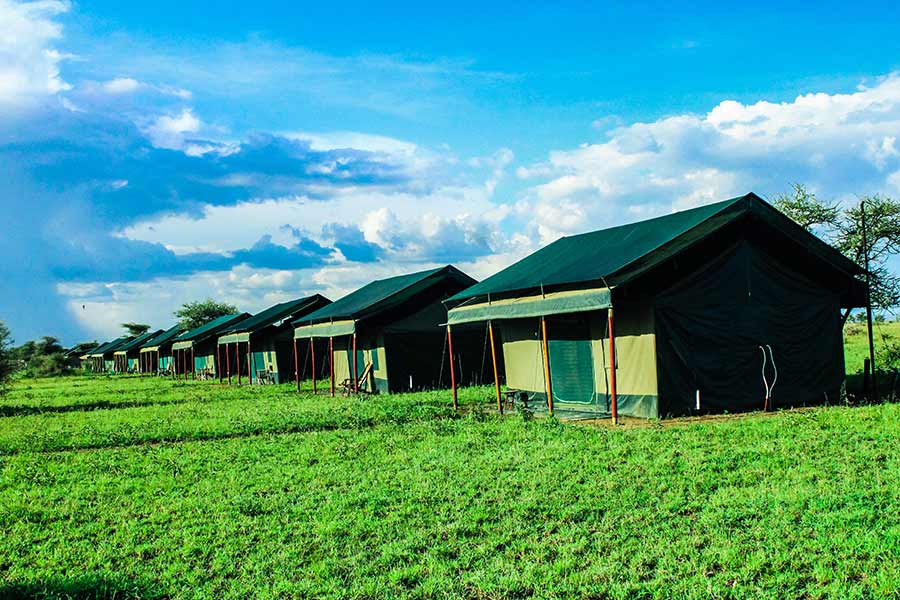
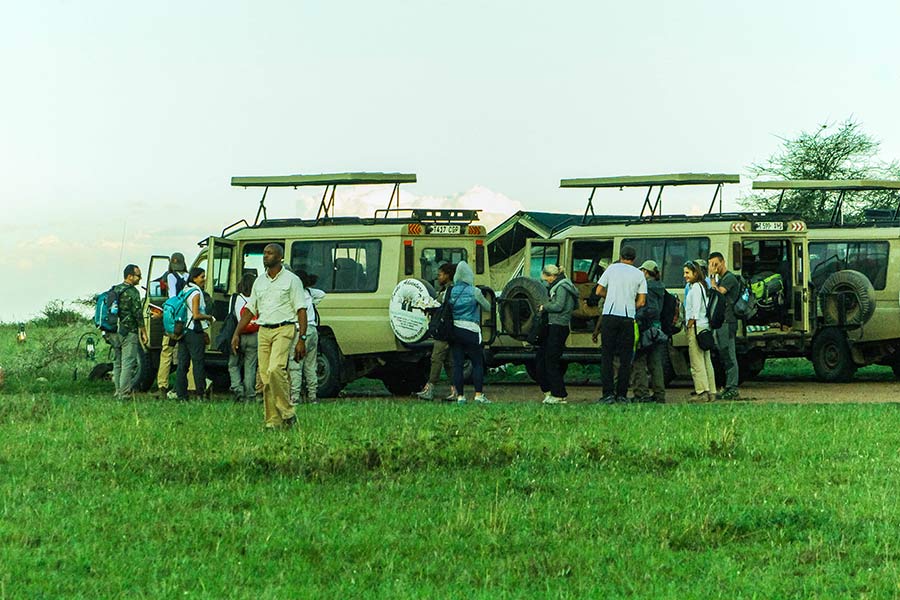
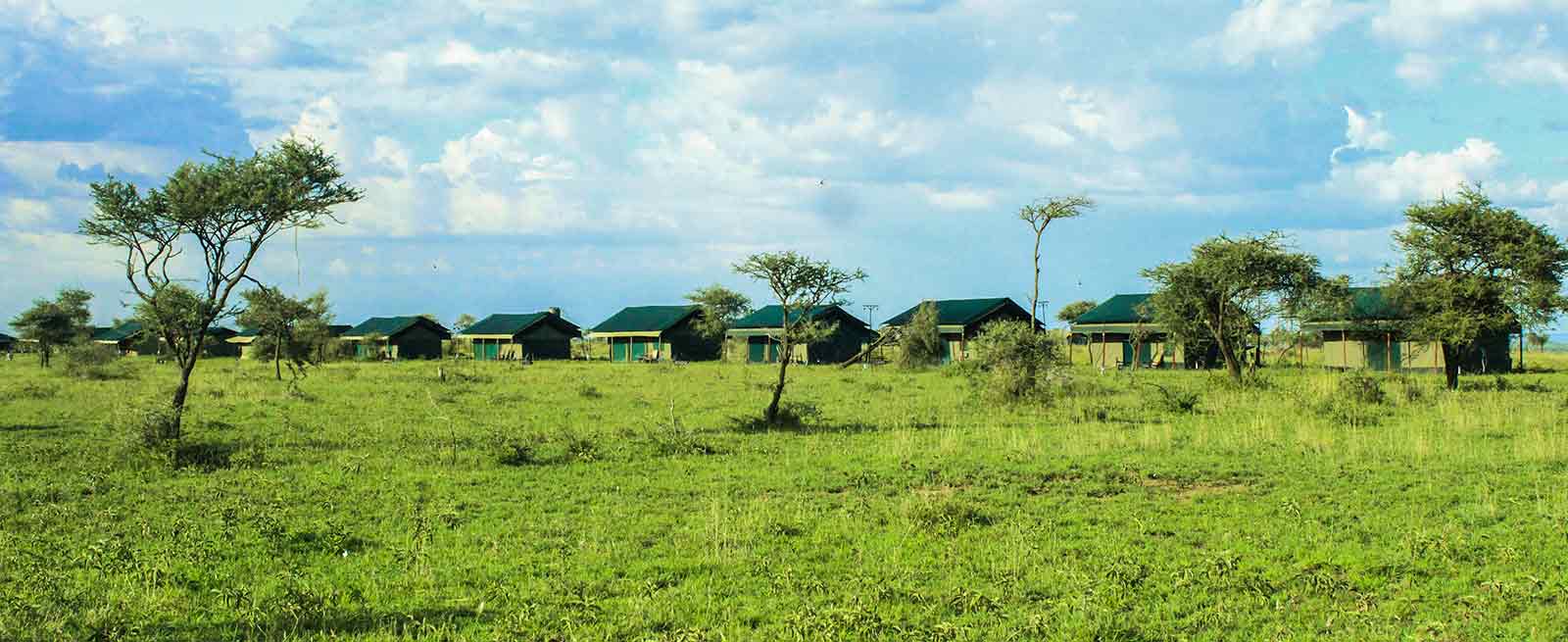
Serengeti Heritage Camp is strategically positioned to offer guests access to multiple phases of the migration. Our experienced guides track the herds' movements daily, ensuring that each game drive maximises your chances of encountering the migration in all its glory.
The Supporting Cast
While the wildebeest are undoubtedly the stars of the show, the Great Migration involves a rich ensemble of wildlife. Zebra often lead the column, their superior eyesight and memory helping to navigate the route. Thomson's and Grant's gazelles follow behind, feeding on the shorter grasses left by the larger grazers.
Predators shadow the migration constantly. Prides of lions set up ambushes along well-worn crossing points. Cheetahs hunt the young and the weak on the open plains. Spotted hyenas, often underestimated, are formidable hunters in their own right and follow the herds in large clans. Overhead, vultures circle, ready to clean up after each kill.
The Serengeti ecosystem supports this incredible spectacle through a delicate balance of rainfall, soil chemistry, and the grazing patterns of the animals themselves. The wildebeest effectively fertilise the plains as they move, promoting new grass growth that sustains the cycle year after year.
Conservation and the Future
The Great Migration is a UNESCO World Heritage phenomenon, and protecting it requires ongoing effort. Threats include habitat encroachment, poaching, climate change, and proposed infrastructure projects that could disrupt the migration corridor. Organizations such as the Tanzania National Parks Authority (TANAPA) work tirelessly to safeguard this natural treasure.
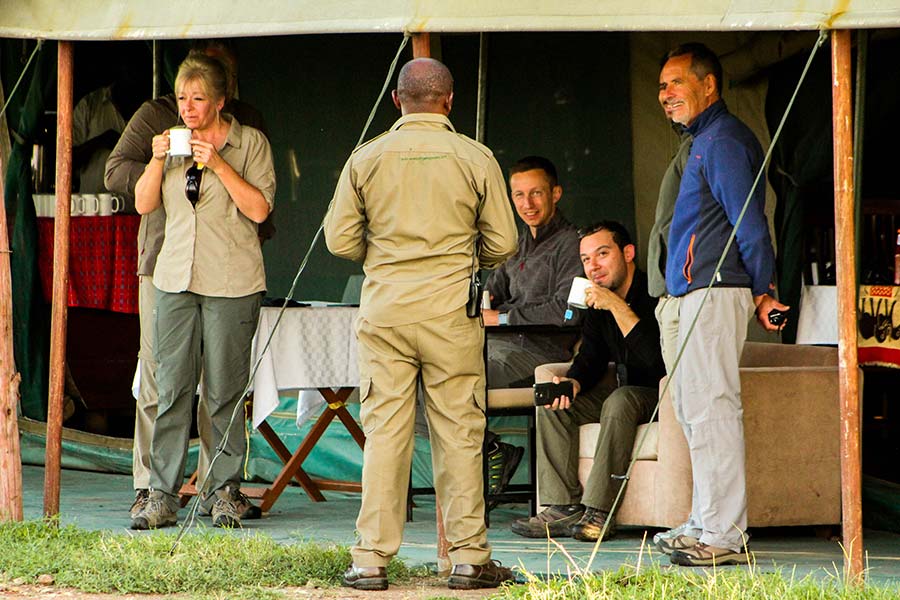
As guests at Serengeti Heritage Camp, visitors contribute directly to conservation through park fees and community partnerships. Responsible tourism is one of the most powerful tools we have for ensuring that future generations can witness the Great Migration just as it has occurred for millennia.
Tips for Your Migration Safari
- Bring binoculars and a good camera. A telephoto lens of at least 200mm is recommended for wildlife photography.
- Be patient. Wildlife operates on its own schedule. Some of the most remarkable moments come after hours of quiet waiting.
- Listen to your guide. Experienced Serengeti guides have an intuitive sense of where the action will be.
- Dress in neutral colours. Earth tones blend with the landscape and avoid startling wildlife.
- Respect the animals. Maintain a safe distance and follow park regulations at all times.
The Great Migration is more than a wildlife event — it is a profound reminder of the interconnectedness of life on this planet. Whether you come for the thundering river crossings, the tender moments of the calving season, or simply the sight of an endless horizon filled with moving animals, the Serengeti will leave an indelible mark on your heart.
Related Articles
The Big Five: Where to Find Them in the Serengeti
Safari Photography Tips: Capturing Wildlife in the Serengeti