Conservation Efforts in Tanzania's National Parks

Tanzania is home to some of the most biodiverse ecosystems on the planet. From the endless plains of the Serengeti to the lush forests of the Mahale Mountains, the country's national parks and protected areas harbour an extraordinary wealth of wildlife. Protecting this natural heritage is both a national priority and a global responsibility, and the conservation efforts underway in Tanzania are as ambitious and multifaceted as the ecosystems they seek to preserve.
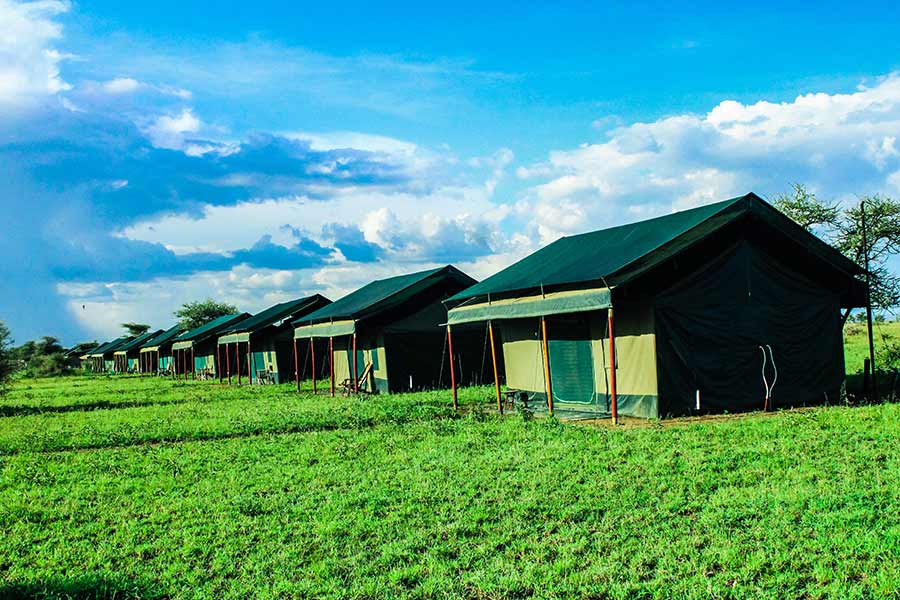
At Serengeti Heritage Camp, conservation is not an abstract concept — it is woven into the fabric of everything we do. As operators within one of the world's most important protected areas, we witness firsthand both the challenges facing Tanzania's wildlife and the remarkable successes being achieved through dedication, innovation, and partnership.
Tanzania's Protected Area Network
Tanzania has set aside approximately 38% of its total land area for conservation — one of the highest proportions in the world. This network includes 16 national parks, 28 game reserves, over 40 game-controlled areas, and the renowned Ngorongoro Conservation Area. Together, these protected areas form vast wildlife corridors that allow animals to move freely across the landscape, a critical factor in the survival of migratory species like wildebeest, zebra, and elephants.
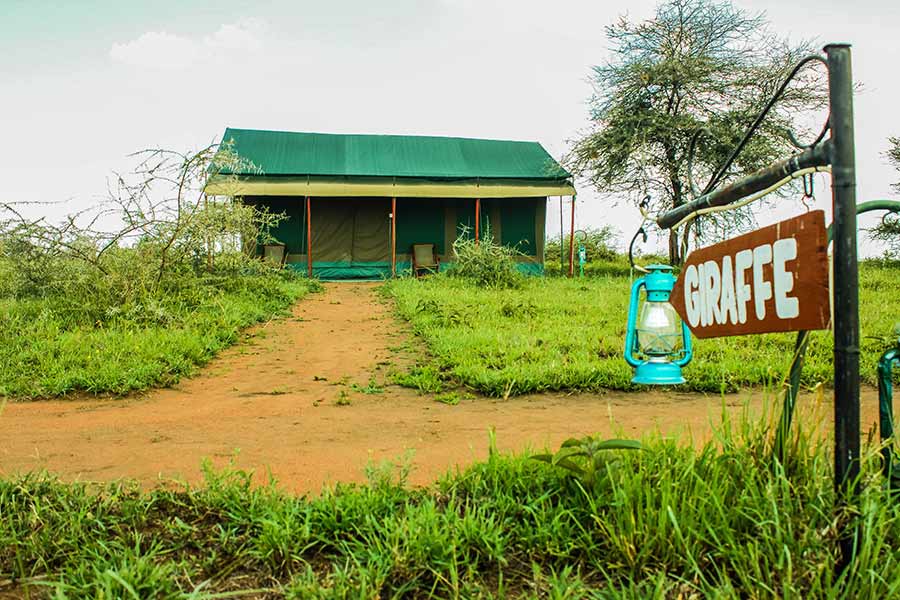
The Serengeti-Mara ecosystem, which spans the international border between Tanzania and Kenya, is the crown jewel of this network. Covering roughly 30,000 square kilometres, it supports the Great Migration and provides habitat for one of the densest concentrations of large mammals anywhere on Earth. The Serengeti was inscribed as a UNESCO World Heritage Site in 1981, recognising its outstanding universal value.
Anti-Poaching Initiatives
Poaching remains the most immediate threat to Tanzania's wildlife. While the commercial bushmeat trade and snaring of small animals for food represent a widespread, low-level threat, the illegal killing of elephants for ivory and rhinos for horn has been devastating in recent decades.
Tanzania lost an estimated 60% of its elephant population between 2009 and 2014, a crisis driven by international demand for ivory. In response, the Tanzanian government and its partners launched an aggressive anti-poaching campaign that has produced significant results:
- Increased ranger deployment: The Tanzania National Parks Authority (TANAPA) has expanded its ranger force across the Serengeti and other parks, with dedicated anti-poaching units conducting regular foot patrols and surveillance operations.
- Technology and intelligence: Modern anti-poaching efforts employ satellite tracking, camera traps, aerial surveillance using drones and aircraft, and intelligence-gathering networks within communities near park boundaries.
- Stiffer penalties: Tanzania has strengthened its wildlife crime legislation, with poachers now facing sentences of up to 20 years in prison and substantial fines.
- International cooperation: Tanzania collaborates with Interpol, neighbouring countries, and international conservation organisations to disrupt trafficking networks that move illegal wildlife products across borders.
These efforts have yielded encouraging results. Elephant populations in the Serengeti have stabilised, and poaching incidents have decreased significantly. However, the fight is far from over, and sustained investment in anti-poaching infrastructure is essential.
Community-Based Conservation
One of the most important lessons learned in African conservation over the past three decades is that wildlife protection cannot succeed without the support and involvement of local communities. People living adjacent to national parks often bear the costs of conservation — crop damage by elephants, livestock losses to predators, and restrictions on land use — while receiving few of the benefits.

Tanzania has pioneered several models of community-based conservation that seek to address this imbalance:
Wildlife Management Areas (WMAs): These are community-owned conservation areas established on village land adjacent to national parks. Communities manage the WMAs themselves and receive revenue from tourism activities within them. This creates a direct financial incentive for communities to protect wildlife and combat poaching.
Revenue sharing: TANAPA operates a revenue-sharing programme that distributes a portion of park entry fees to communities surrounding national parks. These funds support schools, health clinics, water projects, and other community infrastructure.
Employment: The tourism industry is one of Tanzania's largest employers, and national parks are significant contributors. From guides and camp staff to supply chain workers and artisans, wildlife tourism creates thousands of jobs in rural areas where alternative employment opportunities are limited.
Sustainable Tourism
Tourism is a double-edged sword for conservation. Done well, it generates the revenue needed to protect wildlife and provides economic incentives for preservation. Done poorly, it can degrade habitats, disturb wildlife, and exacerbate social tensions.
In the Serengeti, sustainable tourism practices are a priority. The park operates a system of zoning that limits the number of vehicles and camps in different areas, reducing pressure on sensitive habitats. Permanent lodges and camps must comply with strict environmental standards regarding waste management, water use, and energy consumption.
At Serengeti Heritage Camp, our sustainability commitments include:
- Solar power for a significant portion of our energy needs
- Water conservation through low-flow fixtures and rainwater collection
- Waste management systems that minimise our environmental footprint
- Sourcing food and supplies from local communities wherever possible
- Supporting environmental education programmes in local schools
- Employing and training staff from surrounding communities
Species-Specific Conservation Programmes
Several species in the Serengeti ecosystem receive targeted conservation attention due to their vulnerable status:
Black Rhino: The Serengeti's black rhino population, once numbering in the hundreds, was decimated by poaching in the 1970s and 1980s. Today, a small but growing population is protected by dedicated rhino monitoring teams that track every individual and provide round-the-clock protection. The population has been slowly increasing, representing one of Tanzania's most important conservation successes.
African Wild Dog: With fewer than 6,600 individuals remaining in the wild, the African wild dog is one of the continent's most endangered carnivores. The Serengeti ecosystem supports a small population that is monitored by the Tanzania National Parks Authority and partner research organisations. Key threats include habitat fragmentation, disease transmission from domestic dogs, and human-wildlife conflict.
Cheetah: The Serengeti is one of the most important strongholds for the cheetah, with an estimated population of around 1,000 individuals in the wider ecosystem. Research programmes monitor cheetah populations, study their ecology, and develop strategies to reduce conflict with pastoralist communities on the park's boundaries.
Climate Change and the Future
Climate change represents an emerging and potentially transformative threat to the Serengeti ecosystem. Changes in rainfall patterns could alter the timing and route of the Great Migration, affect vegetation structure, and shift the distribution of wildlife. Rising temperatures could expand the range of diseases such as malaria and canine distemper, affecting both people and animals.
Researchers are working to understand these potential impacts and develop adaptive management strategies. Long-term monitoring programmes track changes in climate, vegetation, and wildlife populations, providing the data needed to make informed conservation decisions.
How Visitors Contribute
Every guest who visits a Tanzanian national park contributes directly to conservation. Park entry fees fund ranger patrols, infrastructure maintenance, research, and community programmes. By choosing responsible operators like Serengeti Heritage Camp, visitors ensure their tourism dollars support sustainable practices and local livelihoods.
Beyond financial contributions, visitors serve as ambassadors for conservation. The emotional connection people form with the Serengeti and its wildlife inspires a lifelong commitment to protecting the natural world. Stories shared with friends and family, support for conservation organisations, and advocacy for wildlife protection all have their roots in the transformative experience of a Serengeti safari.
The conservation challenges facing Tanzania are significant, but so are the resources, dedication, and creativity being brought to bear in response. The Serengeti has survived for millennia, and with continued commitment from government, communities, the private sector, and visitors like you, it will endure for millennia more.
Related Articles
The Great Migration: Witnessing Nature's Greatest Spectacle
The Big Five: Where to Find Them in the Serengeti